
Mechanical Workshop Tools & Their Uses | DAE Mechanical Guide
Master the tools every DAE Mechanical student must know. From lathe machines to drills, this guide explains practical workshop tools and their applications.
By Mr. Muhammad Asad Ali8 min read
Introduction — A Complete Guide to Mechanical Workshop Tools
Mechanical workshop tools are the foundation of practical training for DAE Mechanical Engineering students in Pakistan in 2025. These tools are used in every aspect of mechanical work — from cutting and shaping metal to precise measurement, assembly, and quality inspection. Understanding them not only prepares students for coursework assessments but equips them with genuine industry-ready skills that every employer in manufacturing, construction, and engineering expects.
Whether you aim to become a mechanical technician, CNC operator, site supervisor, or professional engineer, mastering these tools is your first and most important step. This guide covers hand tools, measuring instruments, cutting tools, machine tools, and safety equipment — with visual cards, a full comparison table, and practical tips throughout.
Hand Tools
Measuring Tools
Cutting Tools
Machine Tools
Safety Tools
Overview of Mechanical Workshop Tools
Mechanical workshop tools are instruments and machines designed to perform cutting, drilling, shaping, measuring, and assembling operations on metal and other engineering materials. In a typical DAE Mechanical workshop, students encounter both manual hand tools and powered machine tools — each complementing the other for complete practical training.
Hand Tools
Manually operated — used for fitting, assembly, and bench work. Require skill and practice to use efficiently.
Measuring Tools
Essential for accuracy, precision, and quality control. Using the wrong instrument or incorrect technique ruins work.
Cutting Tools
Remove material to shape components. Blade and edge selection depends on the material hardness and cut required.
Machine Tools
Powered tools for heavy, precise, or repetitive operations. Require formal training and safety awareness before use.
Safety Tools
Non-negotiable personal protective equipment (PPE). No workshop operation should begin without the correct PPE in place.
Hand Tools Used in Mechanical Workshop
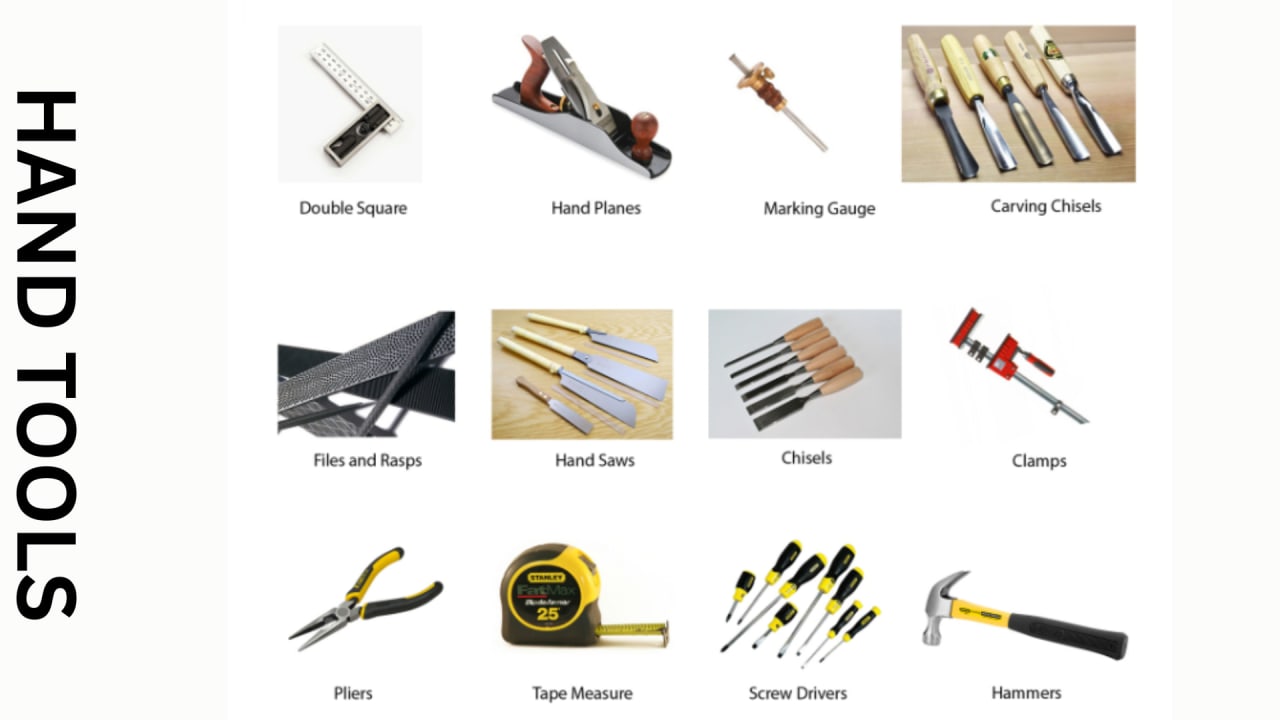
Hand tools are manually operated instruments used for bench work, fitting, and assembly. They are simple but require the correct technique — using the wrong tool or the wrong size causes damage to the workpiece and risks injury to the operator.
Ball-Peen Hammer
PercussiveUsed for striking punches, chisels, and riveting. The ball end shapes metal while the flat face drives fasteners.
Screwdriver
FasteningTightens and loosens screws. Available in flathead, Phillips, Pozidriv, and precision types for different fastener heads.
Spanner / Wrench
FasteningGrips and turns nuts and bolts. Adjustable spanners, ring spanners, and socket sets each suit different access situations.
Pliers
GrippingGrips, bends, and cuts. Needle-nose for tight spaces, slip-joint for general gripping, cutting pliers for wire and cable work.
File
FinishingRemoves small amounts of material to smooth, deburr, or shape metal surfaces. Coarseness grades from bastard to smooth.
Hacksaw (Hand)
CuttingCuts metal rods, pipes, sheet metal, and profiles by hand. Blade TPI (teeth per inch) is selected by material thickness.
Selection tip: Always choose the correct size of spanner for a nut — using an adjustable spanner where a ring spanner fits causes rounding of the fastener flats and makes future removal difficult or impossible.
Measuring Tools and Their Uses
Measuring tools ensure accuracy and quality in every mechanical operation. A machined part is only as good as the measurements that verify it — and choosing the right instrument for the required precision level is a core workshop skill.
Steel Rule
±0.5 mmThe most basic linear tool — used for rough measurements, layout marking, and checking flatness on small components.
Vernier Caliper
±0.02 mmMeasures internal diameter, external diameter, and depth in one tool. The most versatile precision instrument in any workshop.
Micrometer Screw Gauge
±0.01 mmHighest precision for external dimensions — shaft diameters, bolt ODs, and close-tolerance work. Read to 0.01 mm.
Try Square
AngularChecks and marks right angles (90°) on workpieces. Essential for layout, setup, and quality inspection of machined parts.
Feeler Gauge
±0.05 mmSet of thin metal strips of known thickness. Measures small gaps between mating surfaces — valve clearances, bearing fits.
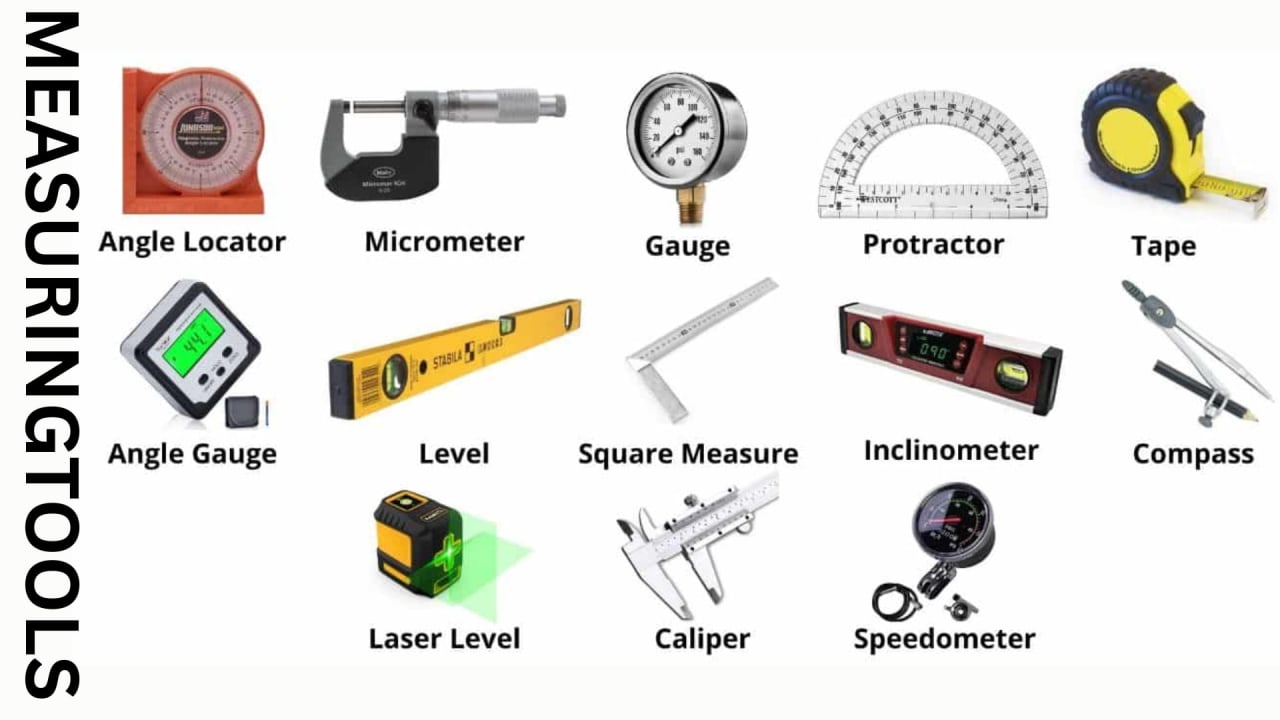
Precision order: For increasing accuracy use Steel Rule → Vernier Caliper → Micrometer. Always zero your instrument before use and clean both the tool and workpiece. For a full deep-dive, read our complete measuring instruments guide.
Cutting Tools in Mechanical Workshop
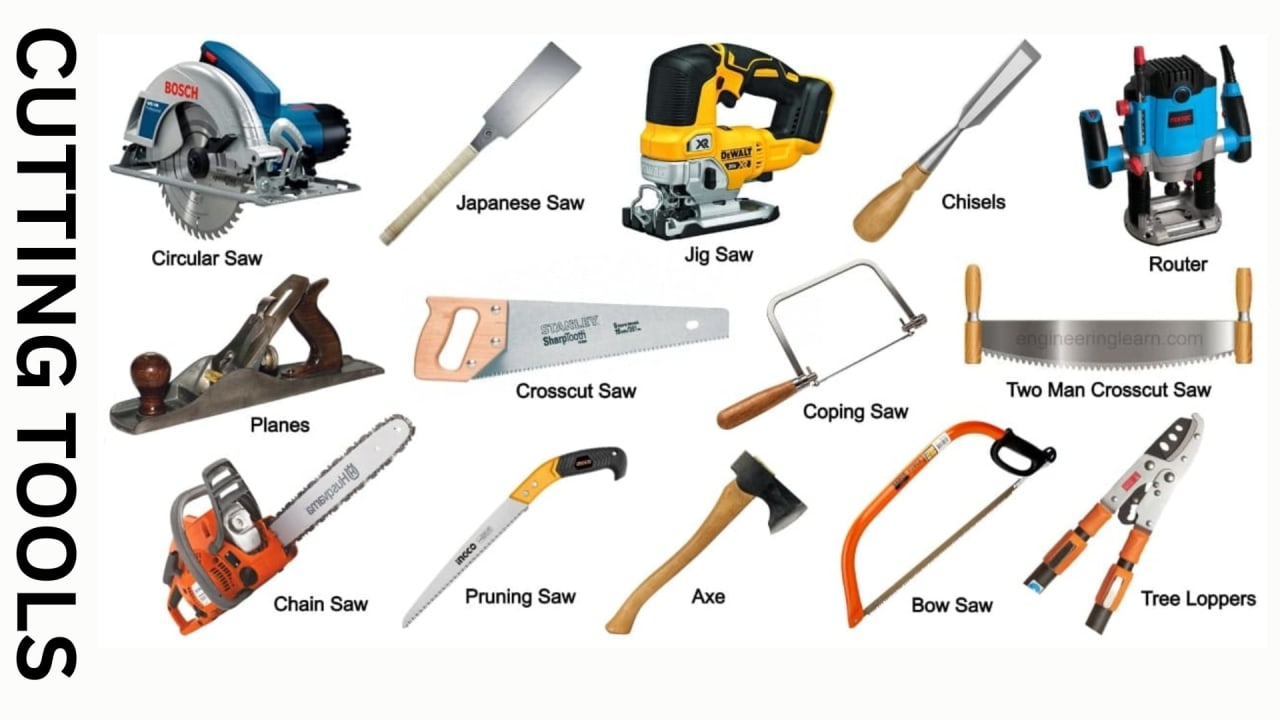
Cutting tools remove excess material from workpieces to produce the required shape, dimension, or surface finish. Correct tool selection, safe handling, and appropriate cutting speed are all critical to achieving accurate results without injury.
Hacksaw (Frame)
Metal CuttingWorkshop frame hacksaw for controlled cutting of metal bars, pipes, and structural sections. Blade replaced when worn.
Cold Chisel
ChippingRemoves excess material, cuts slots, breaks spot welds, and shapes metal when struck with a hammer. Always wear goggles.
Twist Drill Bit
DrillingCreates cylindrical holes in metal, wood, and plastic. HSS bits for steel; cobalt bits for stainless and hard alloys.
Reamer
FinishingFinishes a drilled hole to exact diameter with a smooth surface — used when the fit between hole and shaft must be precise.
Tap & Die Set
ThreadingTaps cut internal threads in holes; dies cut external threads on rods. Essential for producing fastener threads by hand.
Safety rule: Always wear safety goggles when using a chisel, hacksaw, or drill. Flying swarf and broken blade fragments are the most common cause of eye injuries in the mechanical workshop.
Machine Tools Used in Mechanical Workshop
Machine tools are electrically powered instruments that perform precise, efficient, and repeatable mechanical operations on metal workpieces. They require formal training and strict adherence to safety procedures before any student operates them independently.
Lathe Machine
TurningTurns, faces, tapers, and threads cylindrical workpieces. The most fundamental and widely used machine tool in any mechanical workshop.
Drilling Machine
DrillingDrills, countersinks, counterbores, and spot-faces holes with accuracy and repeatability. Pillar and bench-top varieties.
Grinding Machine
GrindingRemoves material by abrasion for surface finishing, tool sharpening, and achieving tight dimensional tolerances.
Milling Machine
MillingCuts slots, keyways, gear teeth, and complex 3D profiles from solid material. Horizontal and vertical types in common use.
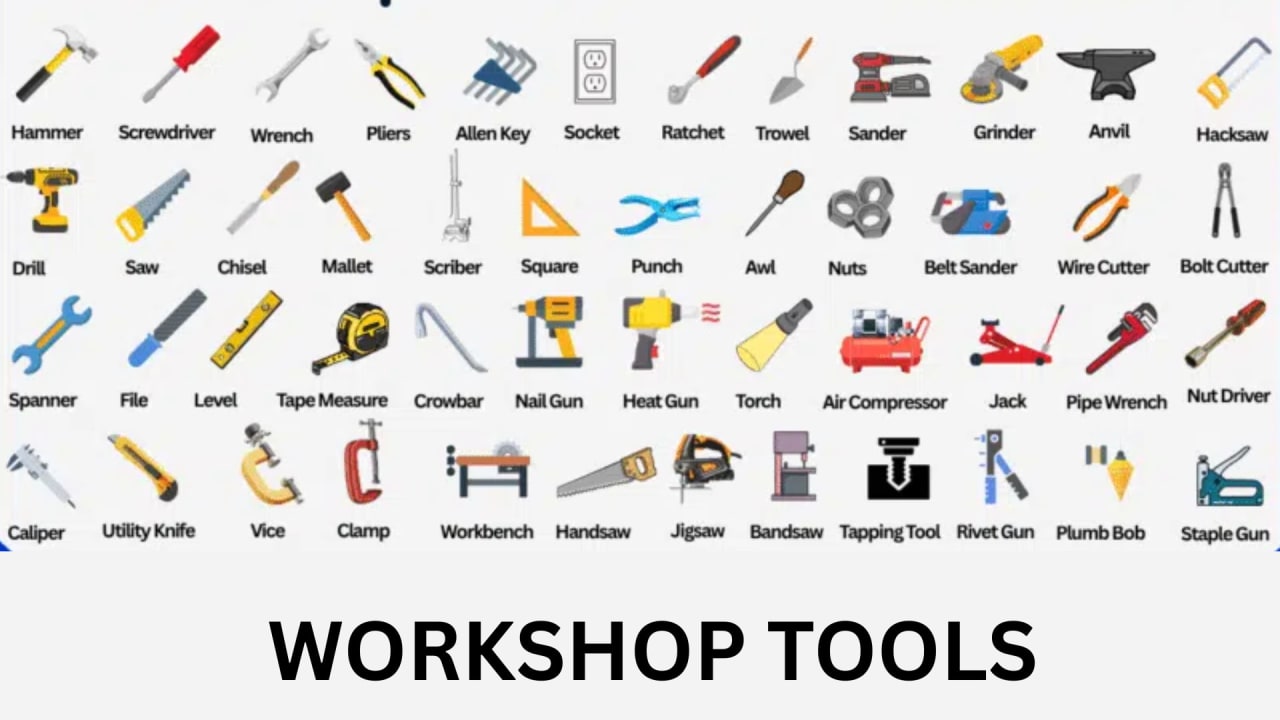
Lathe tip: The lathe machine is the most important machine tool in any workshop. For a complete breakdown of its parts, functions, and operations, read our lathe machine parts and functions guide.
Safety Tools and Equipment
Personal Protective Equipment (PPE) is not optional in a mechanical workshop — it is a legal requirement and a professional standard. No operation should begin before the correct safety equipment is worn. Examiners in DAE practical assessments award marks for correct PPE use.
Safety Goggles
EyesProtect eyes from metal swarf, grinding sparks, cutting fluid splashes, and airborne debris. Mandatory for all machining operations.
Safety Gloves
HandsProtect hands from cuts, burns, and abrasions during filing, grinding, and material handling. Never wear near rotating machinery.
Safety Shoes / Boots
FeetSteel toe-capped boots protect feet from dropped components, swarf on the floor, and crushing hazards from heavy equipment.
Workshop Apron
BodyProtects clothing and the body from swarf, cutting oil, and sharp edges during bench and machine work.
Safety Helmet
HeadRequired in heavy fabrication and construction workshops where overhead hazards from cranes and lifted components exist.
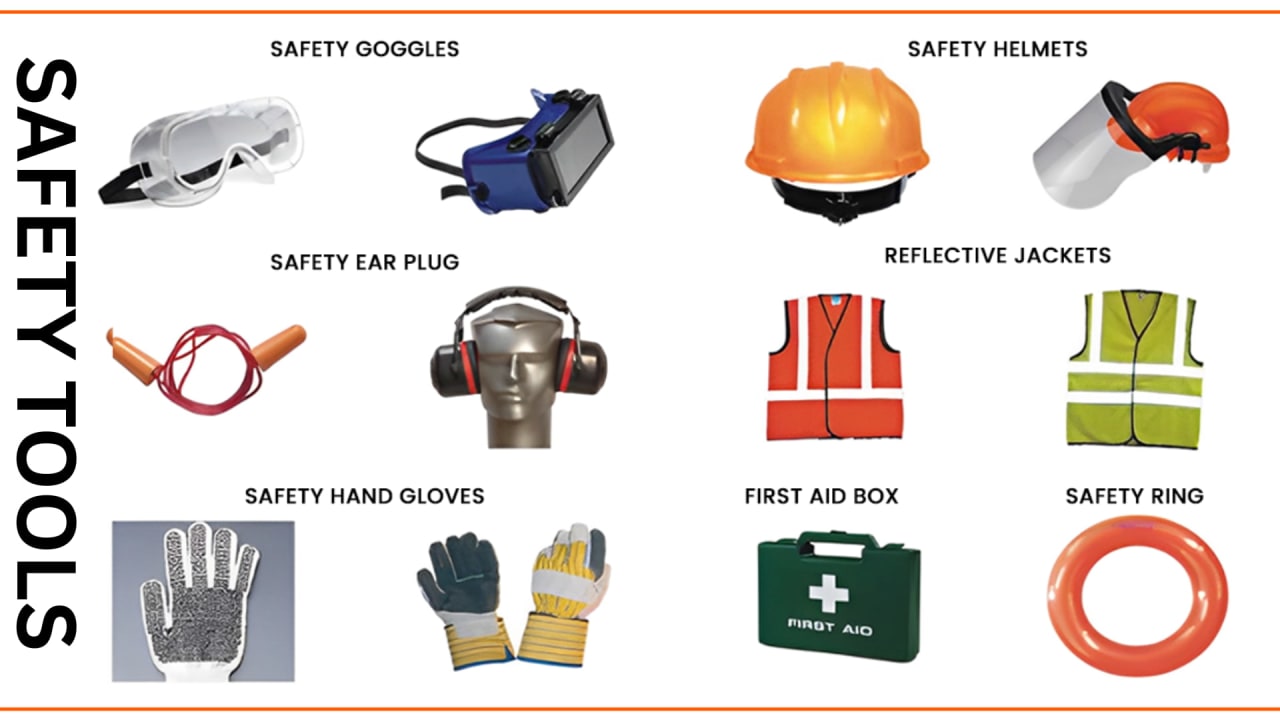
Critical rule: Never wear loose clothing, dangling jewellery, or gloves near rotating machine tools — they can catch in the spindle and cause serious injury. For full workshop safety protocol, read our safety rules in the mechanical workshop.
Comparison Table of All Mechanical Workshop Tools
Complete reference table covering all five tool categories — category, tool name, primary use, and image for quick identification.
| Category | Tool Name | Primary Use | Image |
|---|---|---|---|
| Hand Tool | Hammer | Striking and fitting work |  |
| Hand Tool | Screwdriver | Tighten / loosen screws |  |
| Hand Tool | Spanner / Wrench | Tighten nuts and bolts | 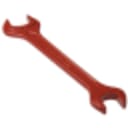 |
| Hand Tool | Pliers | Gripping or cutting objects | 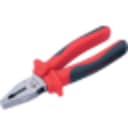 |
| Hand Tool | File | Smooth and finish surfaces | 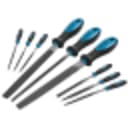 |
| Measuring Tool | Steel Rule | Linear measurements |  |
| Measuring Tool | Vernier Caliper | Precise internal / external measurement | 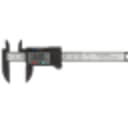 |
| Measuring Tool | Micrometer Screw Gauge | Accurate thickness to 0.01 mm | 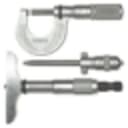 |
| Measuring Tool | Try Square | Check right angles | 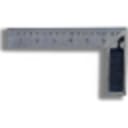 |
| Measuring Tool | Feeler Gauge | Measure small gaps | 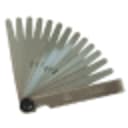 |
| Cutting Tool | Hacksaw | Cut metal rods and pipes | 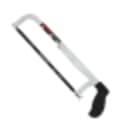 |
| Cutting Tool | Chisel | Cutting and shaping metal | 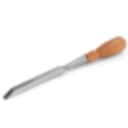 |
| Cutting Tool | Drill Bit | Make holes in material | 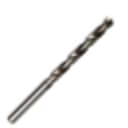 |
| Cutting Tool | Reamer | Finish drilled holes to size | 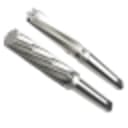 |
| Machine Tool | Lathe Machine | Turning, facing, threading | 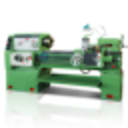 |
| Machine Tool | Drilling Machine | Drill holes accurately | 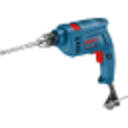 |
| Machine Tool | Grinding Machine | Surface finishing and sharpening | 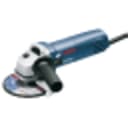 |
| Machine Tool | Milling Machine | Cut slots, gears, profiles | 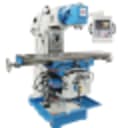 |
| Safety Tool | Safety Gloves | Protect hands from cuts and burns | 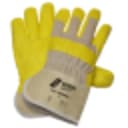 |
| Safety Tool | Safety Goggles | Protect eyes from sparks | 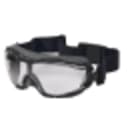 |
| Safety Tool | Helmet | Protect head | 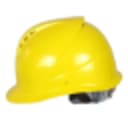 |
| Safety Tool | Safety Shoes | Protect feet from impact |  |
| Safety Tool | Apron | Protect body and clothing |  |
Importance of Workshop Tools for DAE Mechanical Students
Practical workshop tool knowledge is the most direct bridge between classroom learning and industrial employment. Employers in Pakistan's manufacturing, construction, and engineering sectors assess practical competency before hiring — and workshop tool proficiency is tested in every DAE practical examination.
Hands-On Technical Skills
Handling real tools in a real workshop develops muscle memory, judgment, and confidence that textbook study alone cannot provide.
Safety Awareness
Learning to use tools correctly instils the safety habits — PPE use, correct technique, emergency procedures — that prevent workplace injuries.
Problem-Solving on the Job
Workshop experience teaches students to diagnose and fix real problems — a stripped thread, a misaligned bore, an out-of-tolerance component.
Employability
Students who combine theoretical knowledge with proven workshop tool proficiency are consistently preferred by engineering employers in Pakistan and Gulf countries.
Daily practice tip: Aim for at least one hour of hands-on workshop practice every day. Consistent repetition is the only way to build the tool-handling speed and accuracy that practical exams and industrial employers expect.
Frequently Asked Questions (FAQs)
- What are mechanical workshop tools?
- Mechanical workshop tools are instruments used for cutting, measuring, shaping, and assembling mechanical components.
- Why are workshop tools important for DAE Mechanical students?
- They provide practical skills and hands-on experience required for industrial and technical jobs, helping students perform tasks efficiently.
- Which tool is most commonly used in a mechanical workshop?
- Common tools include hammer, file, hacksaw, vernier caliper, and lathe machine.
- Are mechanical workshop tools asked in exams?
- Yes, questions related to workshop tools and their uses are common in DAE Mechanical theory and practical exams.
- What types of tools are used in a mechanical workshop?
- Mechanical workshops use hand tools, measuring tools, cutting tools, machine tools, and safety equipment to carry out various mechanical operations.
- How do workshop tools help in a mechanical career?
- Mastering workshop tools helps DAE Mechanical students gain practical knowledge, improves job opportunities, and prepares them for real-world industrial tasks.
Conclusion — Mastering Mechanical Workshop Tools
Mechanical workshop tools are the foundation of every DAE Mechanical student's practical education. From the humble hammer and file to the precision lathe machine and micrometer, each tool has a specific role — and mastering all of them is what separates a competent technician from an average one.
Combine hands-on tool practice with theoretical knowledge, safety discipline, and measuring instrument precision — and you will be genuinely ready for both your DAE examinations and your first industrial job in Pakistan or the Gulf.
Safety always comes first. No project, deadline, or exam result is worth an injury. Wear your PPE, follow the procedures, and build the habits that will protect you for a lifetime of workshop practice.
Continue learning: Deepen your skills with our complete measuring instruments guide, the lathe machine parts and functions article, and our safety rules in the mechanical workshop. For project ideas, browse our DAE Mechanical final year project ideas.
Explore more engineering guides in our articles section.
Written by
Mr. Muhammad Asad Ali
Mr. Muhammad Asad Ali has 11 years of experience in machinery diagnostics, fabrication, and mechanical system optimization. He combines technical skill with practical experience to ensure reliable operations.