CONTEXT AND ARCHITECTURE
Other Chapters
INTRODUCTION TO ARCHITECTUREINTRODUCTION TO CREATIVITYINTRODUCTION TO FUNDAMENTALSINTRODUCTION TO ARCHITECTURAL DESIGNCONTEXT AND ARCHITECTUREARCHITECTURE AND SOCIETY
- Q1: Define the built environment.Ans: The built environment is the human-made surroundings where people live, work, and interact, such as buildings, roads, and parks.
- Q2: Name the components of the built environment.Ans: The main components of the built environment are:
- ➔ Buildings
- ➔ Landscape
- ➔ Earth or natural setting
- Q3: Define Landscape as a component of the built environment.Ans: Landscape is the outdoor area of the built environment that includes plants, open spaces, water bodies, and all natural or designed outdoor features.
- Q4: Define Earth as a component of the built environment.Ans: Earth is the natural ground and physical environment that supports buildings and landscapes.
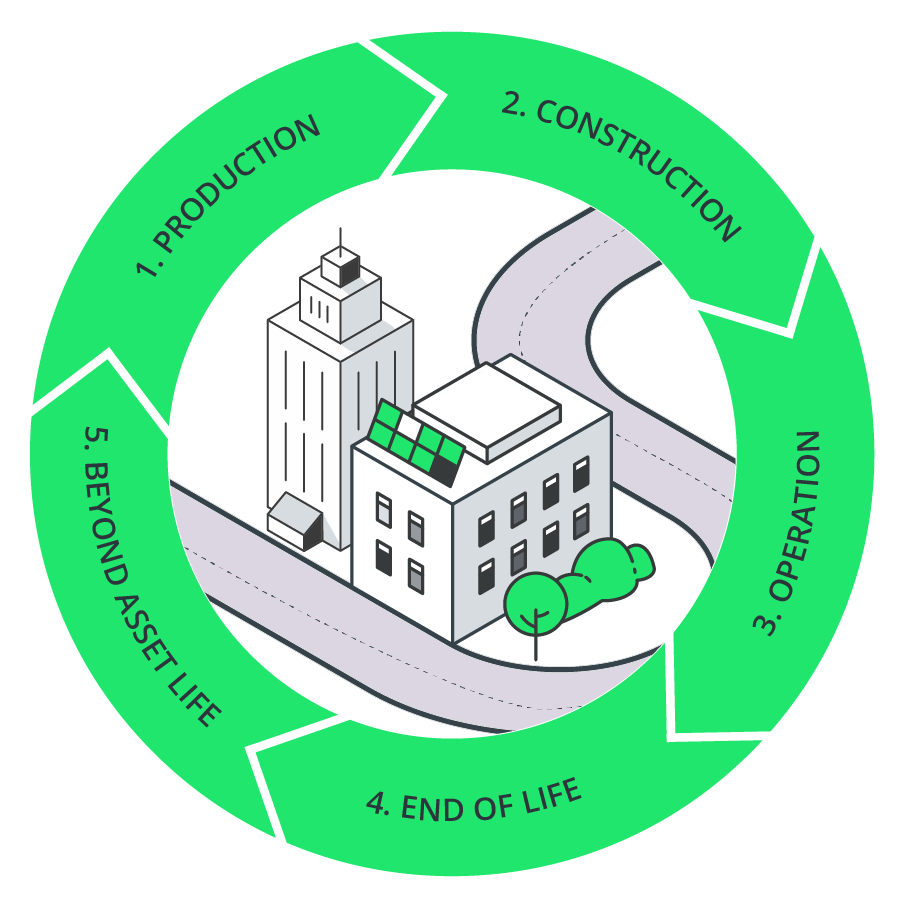
- Q5: Draw the life cycle of the built environment.Ans:
- Q6: What do you know about “place making”?Ans: Place making is the process of creating meaningful and attractive spaces that make people feel comfortable, connected, and engaged.
- Q7: How does architecture reflect culture?Ans: Architecture reflects culture by showing the traditions, beliefs, values, and lifestyle of the people who build and use the structures.
- Q8: Define Context.Ans: Context is the setting or surroundings of a building, including physical, cultural, and social conditions.
- Q9: Define Contextualism.Ans: Contextualism is the design approach that ensures buildings fit well with their surroundings and respect the existing environment.
- Q10: Name the factors affecting the context of buildings.Ans: The factors affecting the context of buildings include:
- ➔ Climate
- ➔ Culture
- ➔ History
- ➔ Topography
- ➔ Surrounding structures
- Q11: Name the elements of context in architecture.Ans: The elements of context in architecture are:
- ➔ Physical elements
- ➔ Environmental elements
- ➔ Social elements
- ➔ Cultural elements
- ➔ Historical elements
- Q12: Name the aspects of contextualism.Ans: The aspects of contextualism include:
- ➔ Form
- ➔ Scale
- ➔ Materials
- ➔ Function
- ➔ Cultural meaning
- Q13: Define regional architecture.Ans: Regional architecture is a style of building that responds to the climate, culture, and materials of a specific region.
- Q14: Define vernacular architecture.Ans: Vernacular architecture is a traditional building style created by local people using local materials and techniques.
- Q15: What are the main contextual criteria which influence the design at an early stage?Ans: The main contextual criteria are climate, site conditions, cultural values, and the surrounding built environment.
- Q16: Define critical regionalism.Ans: Critical regionalism is an approach to design that combines modern architecture with the unique features of a region to create meaningful and climate-responsive buildings.