FIRE PREVENTION & PROTECTION
Other Chapters
ACOUSTICSSEWERAGE SYSTEMFIRE PREVENTION & PROTECTIONHEATING, VENTILATION & AIR CONDITIONINGELECTRIFICATION
- Q1: Define Fire.Ans: Fire is a chemical reaction that produces heat, light, and flame by burning a fuel in the presence of oxygen.
- Q2: Fire is measured in which unit?Ans: Fire intensity is measured in kilowatts (kW) or calories per second (cal/s).
- Q3: Name the elements of the fire triangle.Ans: The elements of the fire triangle are:
- ➔ Oxygen
- ➔ Heat
- ➔ Fuel
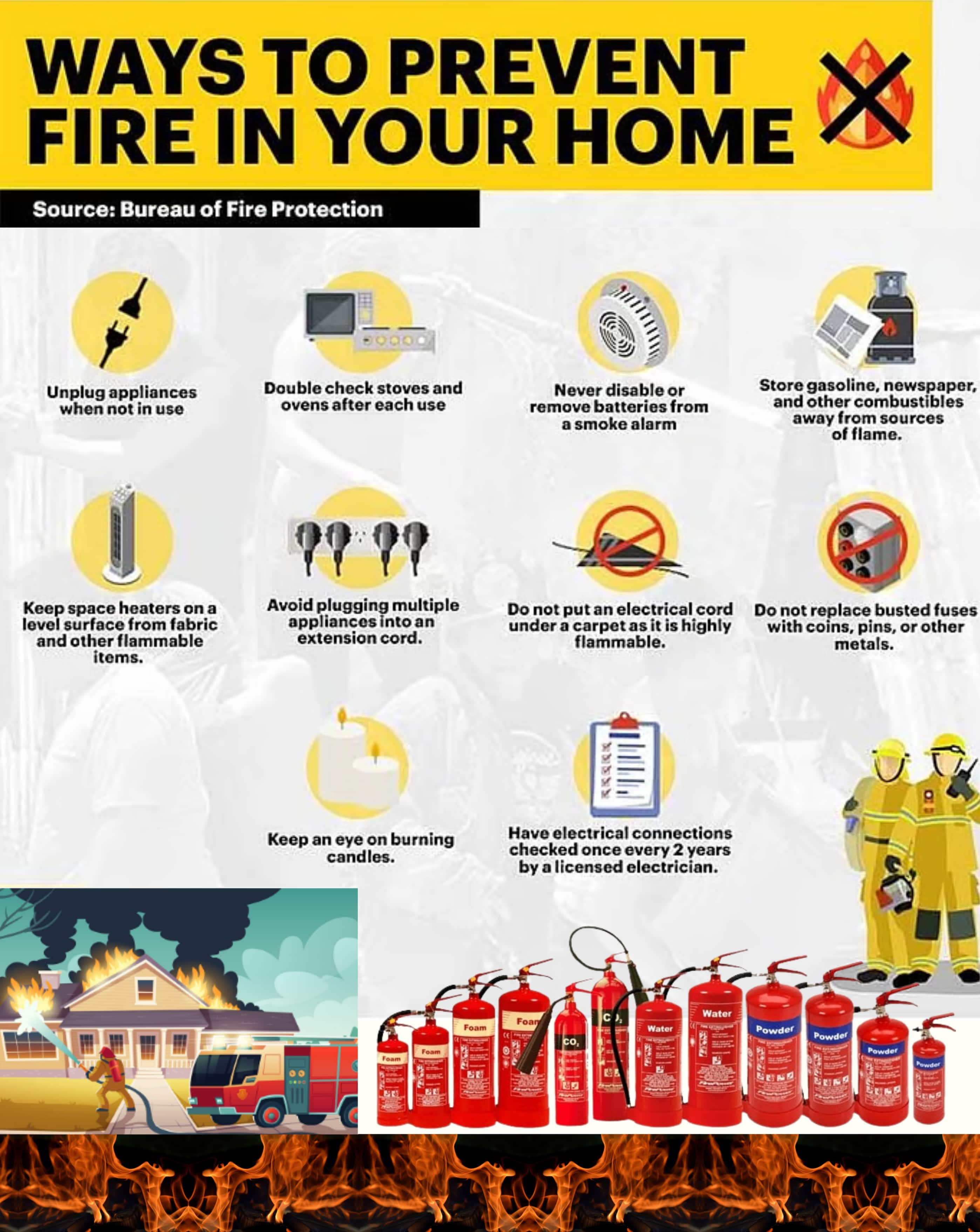
- Q4: Write about fire protection in buildings.Ans: Fire protection in buildings includes designing, installing, and maintaining systems that prevent fire, detect it early, and safely extinguish it.
- Q5: What is the importance of fire protection in a building?Ans: Fire protection is important to save lives, protect property, prevent damage to the building, and ensure safe evacuation.
- Q6: Name the types of fire.Ans: The types of fire are:
- ➔ Type A Fire — Ordinary Combustible Fire
- ➔ Type B Fire — Flammable Liquid & Gas Fire
- ➔ Type C Fire — Electrical Fire
- ➔ Type D Fire — Metal Type Fire
- ➔ Type K Fire — Kitchen Fire
- Q7: Define Type A Fire.Ans: Type A Fire occurs in ordinary combustible materials like wood, paper, and cloth.
- Q8: Define Type B Fire.Ans: Type B Fire occurs in flammable liquids and gases like petrol, oil, and alcohol.
- Q9: Define Type C Fire.Ans: Type C Fire occurs in electrical equipment and wiring.
- Q10: Define Type D Fire.Ans: Type D Fire occurs in combustible metals like magnesium, aluminum, and sodium.
- Q11: Define Type K Fire.Ans: Type K Fire occurs in cooking oils and fats in kitchens.
- Q12: Define Fire extinguisher.Ans: A fire extinguisher is a device used to put out small fires by spraying water, foam, gas, or chemicals.
- Q13: Define NEPA.Ans: NEPA stands for National Electric Power Authority, which regulates electricity supply and safety standards.
- Q14: How will you extinguish a fire in an electric room?Ans: Fires in an electric room should be extinguished using dry chemical powder, CO₂, or FM-200. Water should never be used.
- Q15: Write 4 causes of fire.Ans: Some of the causes of fire are as follows:
- ➔ Faulty electrical wiring
- ➔ Careless handling of flammable materials
- ➔ Overheating of appliances
- ➔ Open flames or sparks
- Q16: Write 4 effects of fire.Ans: Some of the effects of fire are as follows:
- ➔ Loss of life
- ➔ Damage to property
- ➔ Smoke and air pollution
- ➔ Disruption of normal activities
- Q17: Write 6 fire preventive measures in the design of the building.Ans: Following preventive measures should be taken:
- ➔ Use fire-resistant materials
- ➔ Install fire alarms and detectors
- ➔ Design proper exit routes
- ➔ Provide smoke ventilation
- ➔ Separate high-risk areas
- ➔ Avoid overcrowding
- Q18: Write 6 fire protective measures in the design of the building.Ans: Following protective measures should be taken:
- ➔ Install fire sprinklers
- ➔ Provide fire extinguishers
- ➔ Install fire hydrants
- ➔ Use fire doors and partitions
- ➔ Include smoke detectors
- ➔ Provide emergency lighting
- Q19: Define Fire resisting materials.Ans: Fire resisting materials are materials that can withstand high temperatures without burning or losing strength.
- Q20: Name 4 Fire resisting materials.Ans: Some of the fire resisting materials are as follows:
- ➔ Brick
- ➔ Steel
- ➔ Gypsum
- ➔ Concrete
- Q21: Define Charging in Timber.Ans: Charging in timber is the treatment of wood with fire-retardant chemicals to increase its resistance to fire.
- Q22: Define Fire Fighting systems.Ans: Fire fighting systems are equipment and methods installed in a building to detect, control, and extinguish fires.
- Q23: Define WAPDA.Ans: WAPDA stands for Water and Power Development Authority. It is a government organization in Pakistan responsible for the development, management, and distribution of water and electricity.
- Q24: Define LESCO.Ans: LESCO stands for Lahore Electric Supply Company. It is a company responsible for the distribution and supply of electricity in the Lahore region.
- Q25: Define Fire Hydrant.Ans: A fire hydrant is a water outlet used by firefighters to connect hoses and supply water for fire extinguishing.
- Q26: Define Sprinklers.Ans: Sprinklers are devices that spray water automatically when a fire is detected to control or extinguish it.
- Q27: Define Diffusers.Ans: Diffusers are devices used to evenly distribute air or smoke in a building, often as part of ventilation or fire safety systems.
- Q28: What is FM-200?Ans: FM-200 is a clean chemical fire extinguishing agent used for electrical and sensitive equipment fires.
- Q29: What chemical is used in fire extinguishers?Ans: Some of the chemicals used in fire extinguishers are as follows:
- ➔ CO₂
- ➔ Dry powder
- ➔ Foam
- ➔ Water
- ➔ FM-200