
How to Learn CNC Programming After DAE Mechanical | Step-by-Step Guide
Master CNC programming with this complete guide for DAE Mechanical students. Learn software, machine operation, and practical projects for industrial jobs.
By Mrs. Musa Nadeem Khokhar8 min read
Introduction — Why DAE Mechanical Students Should Learn CNC Programming in Pakistan
CNC (Computer Numerical Control) programming is one of the most in-demand technical skills for DAE Mechanical students in Pakistan in 2025. As manufacturing, automotive, energy, and aerospace industries rapidly adopt automation, the ability to program and operate CNC machines has become a key differentiator for diploma holders seeking industrial jobs, Gulf employment, or their own workshops.
- For employment: CNC skills significantly increase starting salary and job prospects in Pakistan and the Gulf.
- For entrepreneurship: DAE graduates with CNC knowledge can run their own fabrication and machining workshops.
- For further study: CNC programming pairs naturally with CAD/CAM, robotics, and automation — all growing fields in Pakistan's industrial sector.
This guide provides a complete, step-by-step path to learn CNC programming — from basic concepts and machine types, through software tools and practical training, to career opportunities in Pakistan.
Importance of CNC Programming for DAE Mechanical Students in Pakistan
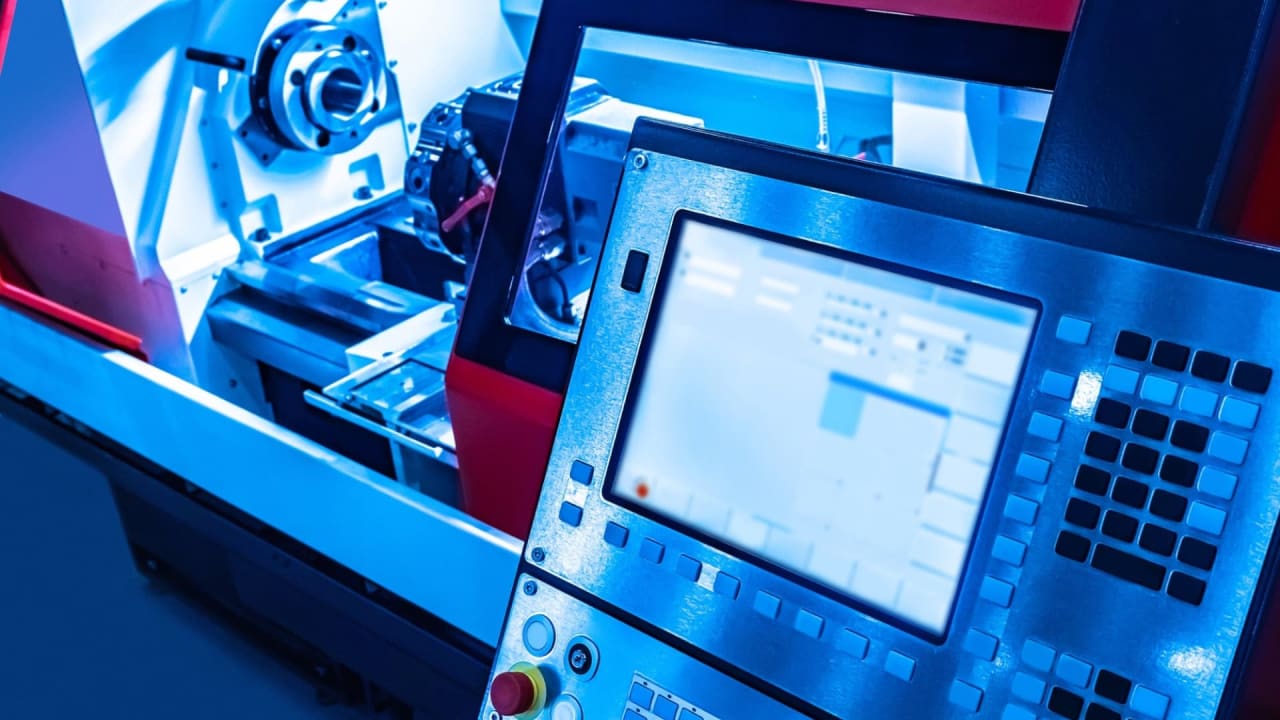
CNC programming allows precise, automated control over manufacturing operations. For DAE Mechanical graduates, it delivers tangible career advantages in Pakistan's industrial and construction sectors:
- Significantly enhanced employability in workshops, automotive plants, and manufacturing industries
- Automation of mechanical processes — reducing manual effort and human error
- Higher accuracy and productivity, directly increasing workshop output and profitability
- Seamless integration with CAD/CAM software for advanced part design and manufacturing
- Better salary prospects — CNC-skilled technicians earn significantly more than non-CNC peers
Tip: Before starting CNC programming, build a solid foundation in CAD tools. AutoCAD for Mechanical Beginners and SolidWorks for DAE Mechanical are the recommended starting points.
Types of CNC Machines — What DAE Mechanical Students Should Know
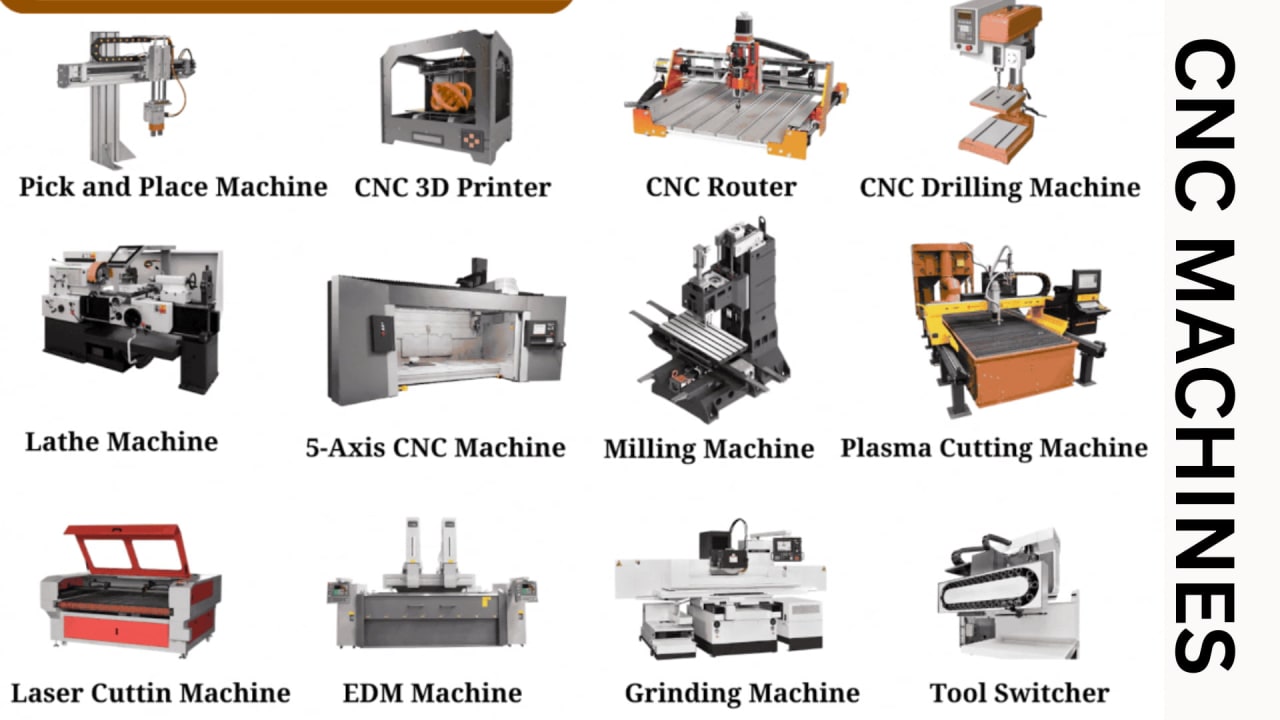
Knowing the types of CNC machines available helps you target your learning efficiently and match your skills to the right industry sector:
CNC Milling Machine
Material: Metal, Aluminium
Cutting, drilling, and shaping parts
CNC Lathe Machine
Material: Metal, Wood
Rotational cutting of cylindrical parts
CNC Router
Material: Wood, Plastic, Composites
Shaping and engraving surfaces
CNC Plasma & Laser
Material: Metal Sheets
Precision cutting of thin metal
CNC EDM
Material: Hard Metals
Complex shapes in hardened materials
| Machine | Material | Application |
|---|---|---|
| Milling | Metal / Aluminium | Cutting & Shaping Parts |
| Lathe | Metal / Wood | Cylindrical Part Turning |
| Router | Wood / Plastic | Shaping & Engraving |
| Laser / Plasma | Metal Sheets | Precision Sheet Cutting |
| EDM | Hard Metals | Complex Shapes |
For a deeper understanding of lathe operations, see our Lathe Machine Parts and Functions Guide.
Basic CNC Concepts — G-code, M-code, Axes, Feed Rate & Spindle Speed
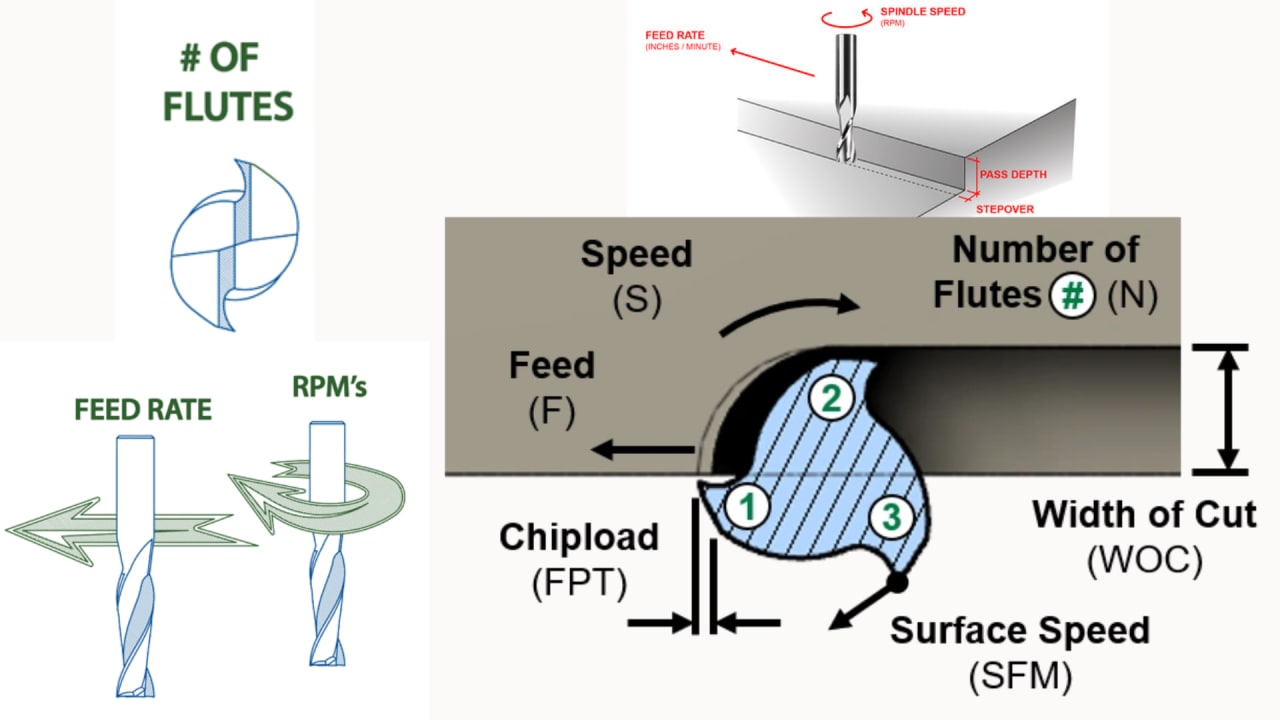
Before writing CNC programs, every DAE Mechanical student must understand these fundamental concepts:
| Concept | What It Means |
|---|---|
| G-code | CNC programming language that controls movement and operations |
| M-code | Machine-specific commands (spindle on/off, coolant, tool change) |
| Axes Movement | X (left/right), Y (forward/back), Z (up/down) + rotational axes |
| Feed Rate | Speed at which the cutting tool moves through the material |
| Spindle Speed | RPM (revolutions per minute) of the cutting tool |
| Coordinate System | Machine zero (home) and work offset (part datum) |
| Toolpath | The programmed path the cutting tool follows |
| Datum / Work Offset | The reference point from which all moves are measured |
Best CNC Software for DAE Mechanical Students to Learn in 2025
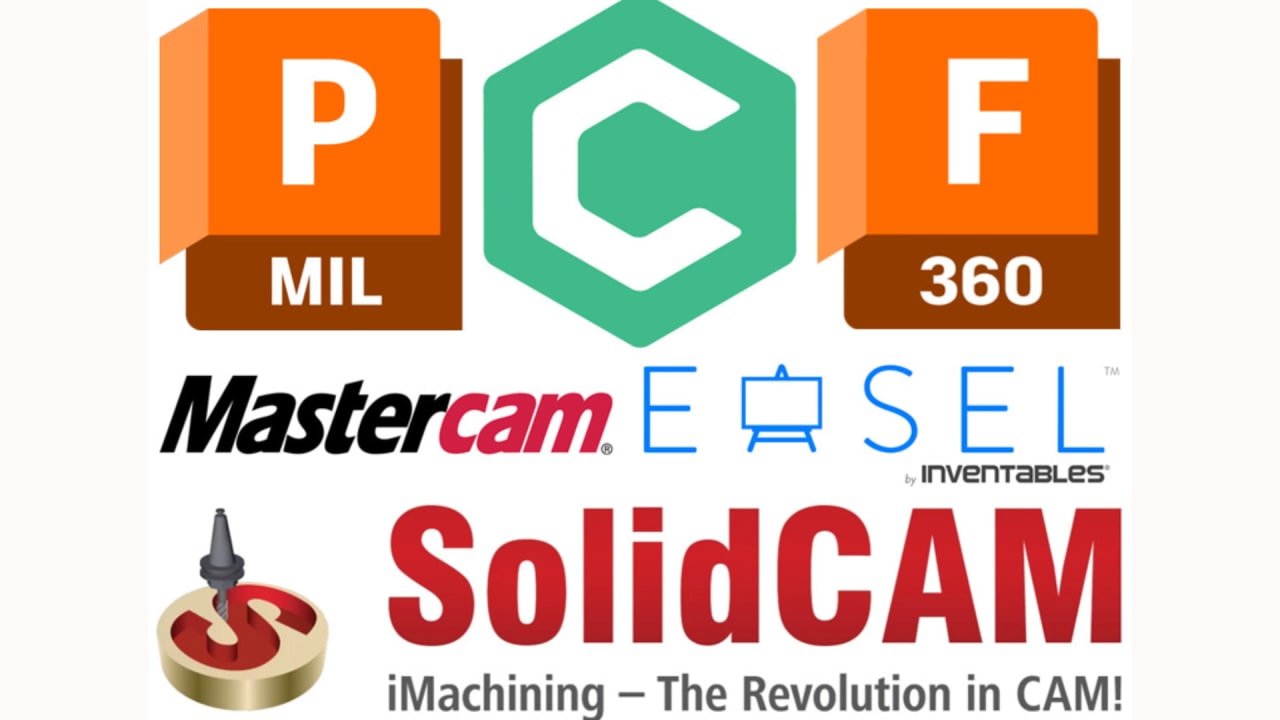
The right software allows you to design parts, simulate toolpaths, and generate G-code before touching a real machine:
Fusion 360
Beginner – AdvancedFull CAD/CAM design and G-code generation. Best starting point for DAE students.
Learn more →MACH3
IntermediatePopular CNC controller software for routers and milling machines.
GRBL
BeginnerOpen-source, beginner-friendly CNC controller. Ideal for desktop machines.
Mastercam
AdvancedIndustry-standard CAM software for complex industrial CNC machining.
Practical CNC Training & Workshops for DAE Mechanical Students in Pakistan
Hands-on experience is essential — simulator time and real machine practice together are the fastest route to CNC proficiency:
- Enrol in local CNC training centres — available in Lahore, Karachi, Islamabad, Faisalabad, and major industrial cities
- Practice on CNC simulators (free options: CNCSimulator Pro, G-Wizard Editor) before working on real machines
- Use low-cost desktop-scale CNC routers for home practice on wood and soft materials
- Attend NAVTTC or TEVTA short courses in CNC machining and industrial automation
- Incorporate CNC into your final-year mechanical project — DAE Mechanical Final Year Project Ideas
Step-by-Step CNC Programming Learning Path for DAE Mechanical Students
Follow these steps in order for the fastest, most structured path from zero to job-ready CNC programmer:
Master Mechanical Workshop Basics
Learn hand tools, measuring instruments, fitting, and basic machining operations before touching CNC.
Mechanical Workshop Tools Guide →Learn CAD Software — AutoCAD & SolidWorks
CNC programming starts with a CAD drawing. AutoCAD 2D and SolidWorks 3D are the essential starting tools.
AutoCAD for Beginners →Understand CNC Machine Types & Functions
Study milling, lathe, router, laser, and EDM machines. Identify which sector you want to target.
Study G-code & M-code Programming
Learn the core CNC programming languages — G-code for movement, M-code for machine control functions.
Practice on CNC Simulators
Use free simulators (CNCSimulator Pro, Fusion 360 simulation) to test programs before real machine time.
Hands-On Practice on Real CNC Machines
Arrange access to real machines through your polytechnic, a training centre, or a local workshop.
Build a Portfolio of CNC Projects
Progress from simple engravings to complex machined parts. Document your work for job applications.
Final Year Project Ideas →
CNC Programming Practice Projects for DAE Mechanical Students
Start with simple projects and gradually increase complexity. Each project reinforces programming, machine operation, and troubleshooting skills:
Beginner
- Engraving names or patterns on wood
- Drilling a pattern of holes on a metal plate
- Cutting simple rectangular or circular shapes
Intermediate
- Manufacturing small gears or brackets
- Creating custom workshop attachments
- Machining stepped shafts on a CNC lathe
Advanced
- Mini automated mechanical assemblies
- Multi-axis milled components from SolidWorks CAD
- Full CAD-to-CNC part manufacturing workflow
Career Opportunities in CNC Programming for DAE Mechanical Graduates in Pakistan
CNC Career Paths in Pakistan
- Workshop CNC Operator & Programmer
- Industrial Manufacturing Technician
- CAD/CAM Design Specialist
- CNC Setup & Maintenance Technician
- Automation & Robotics Engineer Assistant
- Gulf CNC Machining & Fabrication Jobs
Industries Hiring CNC Specialists
- Automotive Manufacturing (cars, motorcycles)
- Textile Machinery Production
- Oil & Gas Equipment Fabrication
- Aerospace & Defence Components
- Medical Device Manufacturing
- Furniture & Wood Products Industry
CNC Career Salary Ranges — Monthly (PKR)
CNC Operator — Entry LevelPKR 35,000
CNC Programmer — Mid LevelPKR 70,000
CAD/CAM SpecialistPKR 100,000
CNC Supervisor / Team LeadPKR 130,000
Automation / Robotics TechnicianPKR 160,000
Entry Level
Mid / Senior Level
Frequently Asked Questions (FAQs)
- Can a DAE Mechanical student learn CNC without prior experience?
- Yes, by starting with CAD software and small CNC machines, then moving to industrial practice.
- Which software is best for beginners?
- Fusion 360 and MACH3 are beginner-friendly and widely used in Pakistan.
- Do I need a CNC machine at home?
- No. Start with simulators or desktop CNC machines. Industrial practice comes later.
- How long does it take to learn CNC programming?
- With consistent practice, beginners can learn basic CNC programming in 2–3 months.
- Can CNC skills improve final year projects?
- Absolutely. CNC skills enable fabrication of precise parts, boosting project quality and feasibility.
Conclusion — Master CNC Programming and Boost Your Mechanical Career in Pakistan
CNC programming is one of the highest-value skills a DAE Mechanical student can acquire in Pakistan in 2025. By combining a solid CAD foundation, CNC software proficiency, workshop training, and real machine practice, you can significantly improve your employability, salary prospects, and long-term career growth.
Start with AutoCAD and SolidWorks, progress through simulators, and work up to real machine operation. The path from beginner to job-ready CNC programmer typically takes 6–12 months of consistent practice.
Whether your goal is a workshop job in Pakistan, a manufacturing role in the Gulf, or running your own CNC business — mastering CNC programming will set you apart from other DAE Mechanical graduates.
Related guides: Final Year Project Ideas · Mechanical Workshop Tools · Best Software for DAE Mechanical Engineers.
Written by
Mrs. Musa Nadeem Khokhar
Mrs. Musa Nadeem Khokhar brings 6 years of expertise in CAD modeling, fluid systems, and mechanical components optimization. Her focus is on delivering precise, functional, and scalable engineering solutions.