FINISHING MATERIALS
Other Chapters
INTRODUCTION TO BUILDING MATERIALSSTRUCTURAL MATERIALSNON-STRUCTURAL MATERIALSFINISHING MATERIALSINSULATING / WATER PROOFING MATERIALS
- Q1: Define Paint.Ans: Paint is a liquid coating material applied on surfaces to protect and decorate them.
- Q2: Define Painting.Ans: Painting is the process of applying paint to a surface.
- Q3: Write the purpose of Painting.Ans: The purpose of painting is to protect the surface, improve appearance, and increase durability.
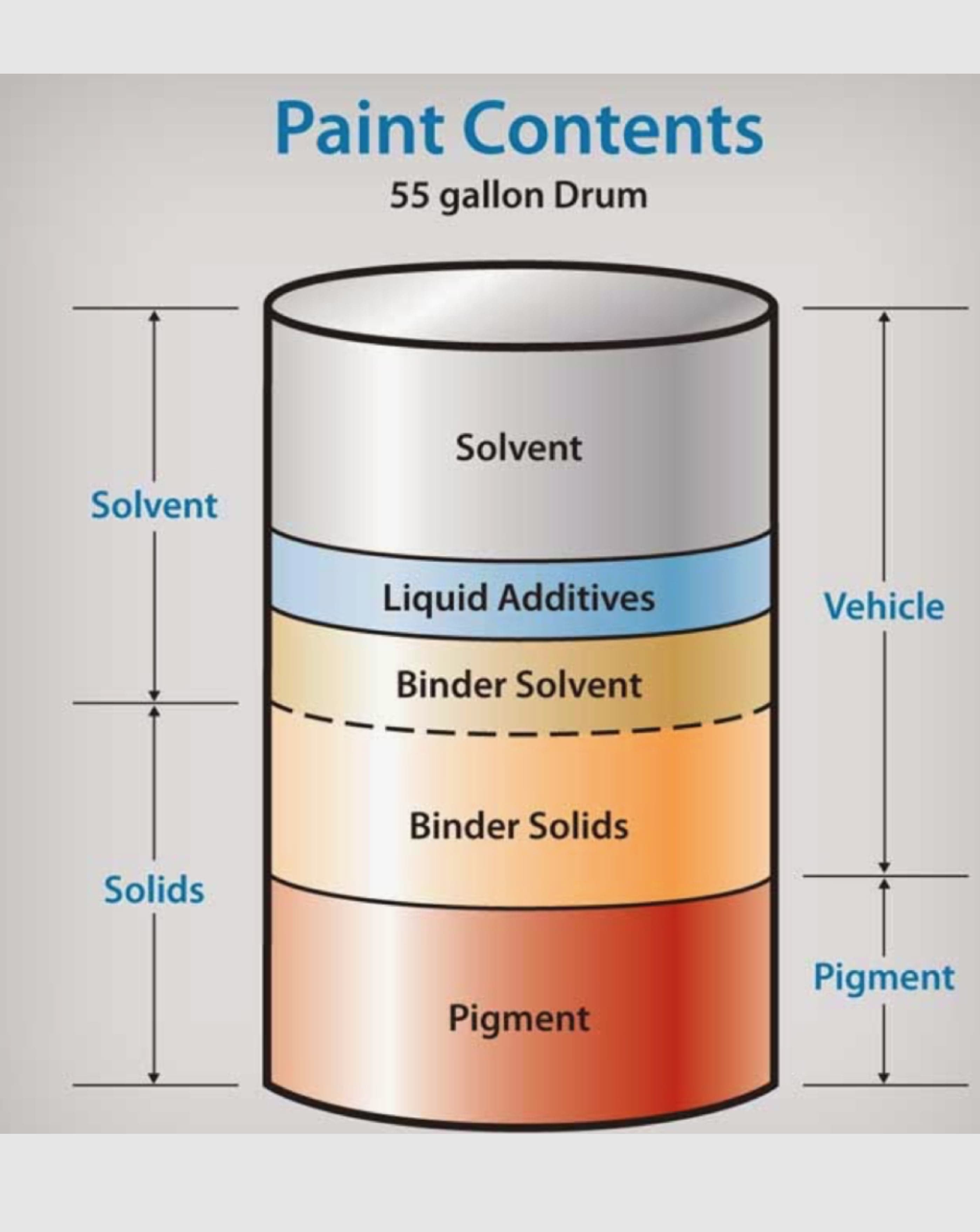
- Q4: Name some constituents of paint.Ans: Paint includes:
- ➔ Base
- ➔ Vehicle
- ➔ Pigment
- ➔ Drier
- ➔ Thinner
- ➔ Additives
- Q5: Define Base.Ans: The base is the main solid part of paint that provides body and strength.
- Q6: Define Vehicle.Ans: A vehicle is the liquid that carries the base and helps the paint spread smoothly.
- Q7: Define Drier.Ans: A drier is a substance added to paint to help it dry quickly.
- Q8: Define Pigment.Ans: Pigment is the coloring material in paint.
- Q9: Define Thinner.Ans: A thinner is a liquid used to reduce the thickness of paint and make it easier to apply.
- Q10: Define Distemper.Ans: Distemper is a simple water-based paint used for walls and ceilings.
- Q11: Define White washing.Ans: White washing is the process of applying a mixture of lime and water to walls for cleaning and brightening.
- Q12: Write the uses of paint.Ans: Paint is used to:
- ➔ Protect surfaces
- ➔ Decorate buildings
- ➔ Prevent corrosion
- ➔ Make surfaces washable
- Q13: Write the properties of paint.Ans: Good paint should have the following properties:
- ➔ It should dry fast.
- ➔ It must have good covering power.
- ➔ It should resist weathering.
- ➔ It must stick well to surfaces.
- Q14: Write the types of paint.Ans: Types of paint include:
- ➔ Oil paint
- ➔ Enamel paint
- ➔ Emulsion paint
- ➔ Cement paint
- ➔ Plastic paint
- Q15: Define Enamel paint.Ans: Enamel paint is a durable, glossy paint made with oil.
- Q16: Define Emulsion paint.Ans: Emulsion paint is a water-based paint that dries fast and gives a smooth finish.
- Q17: Define Cement paint.Ans: Cement paint is a water-based paint made from cement and pigments, used for exterior walls.
- Q18: Write some defects in paint.Ans: Defects in paint include:
- ➔ Chalking
- ➔ Efflorescence
- ➔ Sagging
- ➔ Peeling
- ➔ Flaking
- ➔ Cracking
- Q19: Define Chalking.Ans: Chalking is the formation of a white powder on the painted surface.
- Q20: Define Efflorescence.Ans: Efflorescence is the appearance of white salt deposits on painted surfaces.
- Q21: Define Sagging.Ans: Sagging is when paint runs down and forms uneven thick patches.
- Q22: Define Peeling.Ans: Peeling is when paint comes off the surface in large pieces.
- Q23: Define Flaking.Ans: Flaking is when small, thin pieces of paint break and fall off.
- Q24: Define Seepage.Ans: Seepage is when water passes through walls and damages the paint.
- Q25: Define Varnish.Ans: Varnish is a transparent liquid coating used to protect and polish wooden surfaces.
- Q26: Write the types of Varnish.Ans: Types of varnish include:
- ➔ Oil varnish
- ➔ Spirit varnish
- ➔ Water varnish
- ➔ Urethane varnish
- Q27: Write the properties of Varnish.Ans: Varnish should dry clear, protect the surface, resist scratches, and give a shiny finish.
- Q28: Write the types of Distemper.Ans: Types of distemper include:
- ➔ Dry distemper
- ➔ Oil-bound distemper
- Q29: Write the properties of Distemper.Ans: Distemper have the following properties:
- ➔ It is cheap.
- ➔ It is easy to apply.
- ➔ It is washable (oil-bound).
- ➔ It has a matte finish.
- Q30: Define Tiles.Ans: Tiles are thin, flat pieces of material used for covering floors and walls.
- Q31: Write the properties of Tiles.Ans: Tiles have the following properties:
- ➔ Tiles are strong.
- ➔ Tiles are durable.
- ➔ Tiles are water-resistant.
- ➔ Tiles are easy to clean.
- ➔ Tiles are available in many designs.
- Q32: Write the types of Tiles.Ans: Types of tiles include:
- ➔ Ceramic tiles
- ➔ Porcelain tiles
- ➔ Vitrified tiles
- ➔ Mosaic tiles
- Q33: Write the uses of Tiles.Ans: Tiles are used for:
- ➔ Flooring
- ➔ Wall cladding
- ➔ Bathrooms
- ➔ Kitchens
- ➔ Decorative surfaces
- Q34: Define Flat Tile.Ans: A flat tile is a simple tile with a flat, even surface.
- Q35: Define Pan Tile.Ans: A pan tile is a curved tile used mainly for roofing.
- Q36: Define Porcelain Tile.Ans: A porcelain tile is a strong, dense tile made from fine clay fired at high temperature.
- Q37: Define Marble.Ans: Marble is a hard, decorative stone formed from limestone.
- Q38: Write the properties of Marble.Ans: Marble has the following properties:
- ➔ It is smooth.
- ➔ It is strong.
- ➔ It is polished.
- ➔ It is heat-resistant.
- ➔ It is available in many colors.
- Q39: Write the types of Marble.Ans: Types of marble include:
- ➔ Makrana marble
- ➔ Italian marble
- ➔ Black marble
- ➔ Green marble
- Q40: Write the uses of Marble.Ans: Marble is used for:
- ➔ Flooring
- ➔ Walls
- ➔ Countertops
- ➔ Sculptures
- ➔ Decorative works