
Importance of Sustainable Architecture in Urban Planning | Pakistan 2026
Explore the importance of sustainable architecture in Pakistan’s urban planning, including energy efficiency, green materials, water management, and landscape design.
By Ms. Abreeza Amin8 min read
Introduction — Sustainable Architecture for Modern Cities in Pakistan
Sustainable architecture is no longer just a global trend — it is an urgent necessity for urban planning in Pakistan. With rapid urbanisation, rising energy costs, worsening air quality, and growing water scarcity, architects and city planners across Lahore, Islamabad, Karachi, and emerging secondary cities are being called to design buildings and urban spaces that are eco-friendly, resource-efficient, and socially responsible.
This comprehensive 2025 guide explores every dimension of sustainable architecture and its application in Pakistani urban planning — from green building principles and energy-efficient design to water management, eco materials, urban landscape strategies, and government initiatives currently shaping Pakistan's built environment.
40%
Of ' energy consumed by buildings — the biggest reduction opportunity
5 Systems
Core sustainable systems: energy, water, materials, landscape, ventilation
2025
NEECA building codes now mandatory for new constructions in major cities
What is Sustainable Architecture? — Definition & Relevance to Pakistan
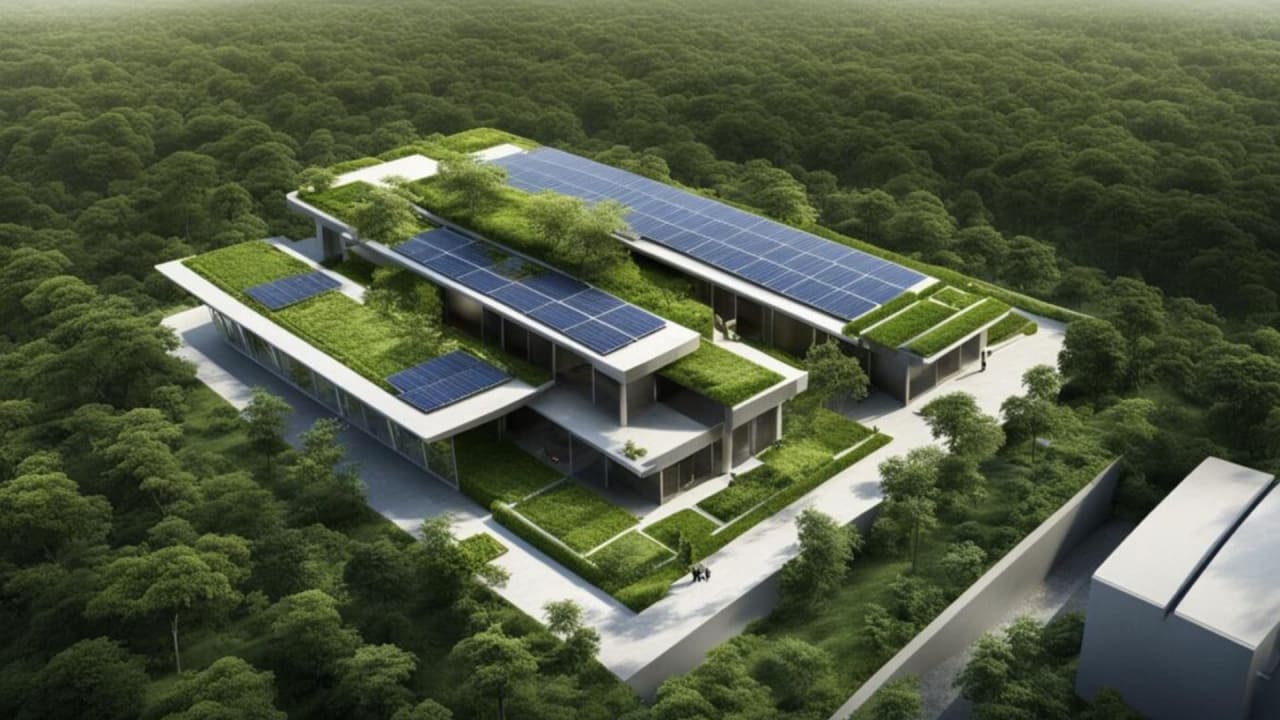
Sustainable architecture — also called green architecture or eco-design — focuses on minimising a building's environmental impact while maximising energy efficiency, resource conservation, and occupant wellbeing. It integrates eco-friendly materials, renewable energy systems, and smart urban planning principles into every stage of design and construction.
In Pakistan, sustainable architecture is becoming critically relevant due to rapid urban population growth, rising electricity tariffs, severe air pollution in cities like Lahore, and intensifying water scarcity across Punjab and Sindh. Buildings designed sustainably are not just better for the environment — they are significantly cheaper to operate over their lifetime.
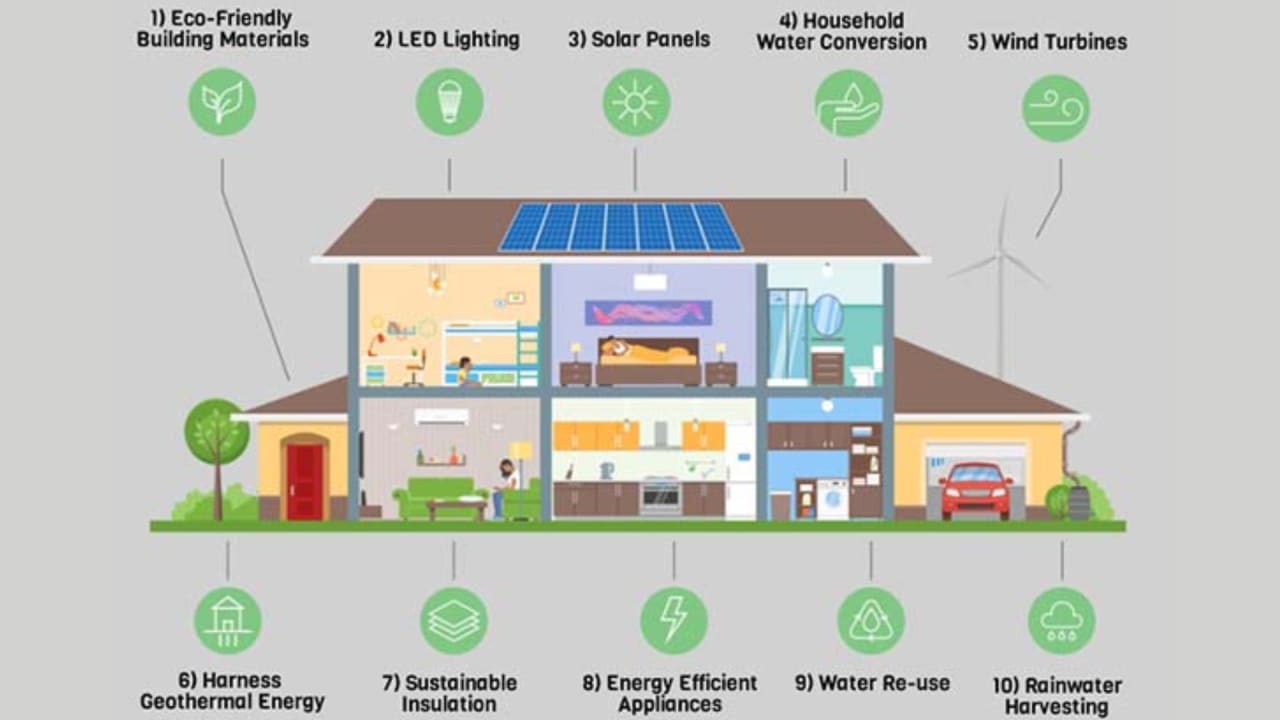
Key distinction: Sustainable architecture is not simply about adding solar panels to a conventional building. True green design integrates energy, water, materials, landscape, and occupant wellbeing holistically from the earliest design stage.
Importance of Sustainable Architecture in Urban Planning in Pakistan
Pakistan's major cities are growing at one of the fastest rates in Asia. Without deliberate sustainable planning, this growth amplifies energy consumption, waste, water stress, and social inequality. Sustainable architecture directly addresses each of these challenges.
Energy Efficiency
Smart building design and renewable energy integration reduce electricity consumption — critical as Pakistan's grid faces chronic shortfalls.
Environmental Protection
Minimising construction waste, reducing carbon emissions, and cutting pollution improve air and water quality in dense urban centres.
Improved Quality of Life
Natural ventilation, daylight, and green spaces create healthier living environments — reducing respiratory illness and mental stress.
Long-Term Economic Benefits
Lower energy, water, and maintenance costs over a building's lifespan outweigh the marginally higher upfront investment of green design.
Major Pakistani cities including Islamabad and Lahore are gradually incorporating green design requirements into residential and commercial development approvals — a trend accelerating under NEECA's 2025 building efficiency mandates.
Key Principles of Sustainable Architecture for Pakistani Buildings
These five principles form the foundation of every sustainably designed building in Pakistan's urban context — from residential units to large commercial developments.
Natural Light & Ventilation
Orienting buildings to maximise sunlight and cross-ventilation reduces dependence on artificial lighting and mechanical cooling — critical in Pakistan's hot climate.
Renewable Energy Integration
Solar panels, wind turbines, and micro-hydro systems reduce reliance on Pakistan's strained national grid and cut long-term energy costs significantly.
Water Conservation
Rainwater harvesting, greywater recycling, and drip irrigation address Pakistan's growing water scarcity — especially relevant for Karachi and central Punjab.
Recyclable & Low-Impact Materials
Minimising construction waste through recycled materials, prefabrication, and locally sourced resources reduces both environmental impact and project cost.
Green Spaces & Urban Biodiversity
Rooftop gardens, urban forests, and public parks reduce the urban heat island effect, improve air quality, and enhance wellbeing for city residents.
Energy-Efficient Buildings & Green Design Strategies in Pakistan
Buildings account for approximately 40% of Pakistan's total energy consumption. Implementing energy-efficient design strategies is the single most impactful step architects can take to reduce the country's carbon footprint and energy import bills.
| Strategy | Benefit for Pakistani Buildings | Icon |
|---|---|---|
| Solar panels | Electricity generation & water heating | |
| LED lighting systems | 60–80% lower energy use than conventional | |
| Thermal insulation | Reduces heating & cooling load year-round | |
| Passive cooling techniques | Wind catchers, shaded courtyards, deep eaves | |
| Smart building controls | Automated lighting, HVAC, & energy monitoring |
Passive cooling for Pakistan's hot climate
Pakistan's climate makes passive cooling one of the highest-value sustainable design investments available. Traditional Pakistani architectural elements — wind catchers (badgirs), shaded courtyards, thick masonry walls, and deep roof overhangs — are now being reintegrated into contemporary building design as proven, low-cost, and zero-energy cooling solutions.
Green Building Materials Available in Pakistan
The selection of building materials has a direct and lasting impact on a building's environmental footprint, indoor air quality, and structural performance. These green alternatives are increasingly available from Pakistani suppliers and manufacturers.
Widely Available
Fly Ash Bricks
Industrial waste repurposed as building blocks — stronger than clay bricks with a significantly lower carbon footprint.
Cost Saving
Recycled Concrete & Steel
Crushed concrete and reclaimed steel reduce quarrying and mining demand while cutting material costs for large projects.
Renewable
Bamboo & Sustainable Timber
Rapidly renewable, carbon-sequestering, and structurally strong — ideal for interior finishes, formwork, and furniture.
Health Benefit
Low-VOC Paints & Finishes
Eliminate volatile organic compounds that degrade indoor air quality — essential for schools, hospitals, and homes.
Pakistan context: Fly ash bricks are now produced commercially near Lahore and Faisalabad — close to coal-fired power stations. They are approximately 20% stronger than conventional clay bricks and reduce landfill waste from industrial ash.
Water Management in Urban Projects — Pakistan's Growing Priority
Pakistan is one of the most water-stressed countries in the world. Urban water management is no longer an optional feature of sustainable design — it is an urgent necessity, particularly for Karachi, Faisalabad, and Multan where groundwater depletion is severe.
Rainwater Harvesting
Stored for garden irrigation, toilet flushing, and groundwater recharge
Greywater Recycling
Treated wastewater from sinks and showers reused for gardens and toilets
Drip Irrigation
70% less water than conventional irrigation for urban landscaping
Permeable Paving
Allows stormwater to infiltrate ground, reducing flooding and runoff
Stormwater Management Systems
Detention ponds and bioswales control urban flooding in monsoon season
Key fact: A standard residential building with a rainwater harvesting system can collect 50,000 to 100,000 litres of water annually in Lahore's monsoon season — enough to supply garden irrigation for an entire year without using municipal water.
Urban Landscape Design & Green Spaces in Pakistani Cities
Urban green spaces are not a luxury — they are essential infrastructure. Trees and parks reduce city temperatures by 2–8°C, absorb CO₂, filter air pollutants, manage stormwater, and provide measurable mental health benefits for urban populations.
Rooftop & Terrace Gardens
Convert unused roof space into productive green areas — reducing building heat gain, improving insulation, and producing food.
Urban Street Forests
Tree-lined streets reduce ambient temperature, provide shade for pedestrians, and improve air quality along major urban roads.
Neighbourhood Parks & Plazas
Accessible public parks with native planting, water features, and shaded seating improve community wellbeing and social cohesion.
Green Corridors & Biodiversity
Connecting parks and green spaces through planted corridors supports urban biodiversity and creates walkable, liveable neighbourhoods.
Government Initiatives for Sustainable Architecture in Pakistan 2025
Pakistan's federal and provincial governments have introduced several policies, incentive programmes, and regulatory frameworks to accelerate the adoption of sustainable building practices across the country.
Energy-Efficient Building Codes
NEECA / Ministry of EnergyNEECA (National Energy Efficiency and Conservation Authority) has introduced building codes mandating insulation, solar-ready infrastructure, and efficient glazing for new constructions.
Billion Tree Tsunami & Urban Forestry
Ministry of Climate ChangeA nationwide reforestation programme extended to urban areas — including tree-lined streets, park expansions, and green corridor projects in major cities.
Solar Energy Promotion in Housing
NEPRANet metering regulations allow homeowners with solar panels to sell surplus electricity back to the grid — making solar investment financially viable across Pakistan.
Eco-Friendly Construction Incentives
Provincial Development AuthoritiesProvincial governments are offering reduced approval fees and fast-tracked permits for buildings incorporating green materials and water recycling systems.
For architecture students & graduates: Familiarity with Pakistan's NEECA building codes, LEED certification requirements, and net metering regulations is becoming a competitive advantage in the job market — and a requirement for many government and international projects.
FAQs — Sustainable Architecture and Urban Planning in Pakistan
- What is sustainable architecture?
- Sustainable architecture is the practice of designing buildings to minimize environmental impact while maximizing energy efficiency, resource conservation, and occupant comfort.
- Why is sustainable architecture important for urban planning in Pakistan?
- With rapid urbanization, energy consumption, and environmental challenges, sustainable architecture reduces energy and water usage, promotes eco-friendly construction, and improves the quality of life in cities.
- What are key features of sustainable buildings?
- Energy-efficient systems, eco-friendly materials, renewable energy integration, water recycling, green spaces, natural ventilation, and daylight maximization are common features.
- Which cities in Pakistan are adopting sustainable urban practices?
- Islamabad, Lahore, Karachi, and emerging housing societies are increasingly integrating sustainable architecture in both residential and commercial projects.
- How can individuals contribute to sustainable urban design?
- Using energy-efficient appliances, practicing water conservation, planting greenery, and supporting eco-friendly construction practices are ways individuals can contribute.
Conclusion — Building a Sustainable Future for Pakistan's Cities
Sustainable architecture is not an optional upgrade — it is the essential framework for designing Pakistan's rapidly growing cities in a way that is liveable, affordable, and environmentally responsible for future generations.
By integrating eco-friendly materials, energy-efficient systems, smart water management, and urban green spaces, architects and planners can create urban environments that reduce costs, protect the environment, and genuinely improve quality of life for all residents.
For architecture students and graduates, sustainable design is not just a moral imperative — it is a growing professional requirement and a significant career differentiator in Pakistan's evolving construction sector.
Continue learning: B.Arch vs BSc Architectural Engineering — choose your path or browse all architecture articles.
Written by
Ms. Abreeza Amin
Ms. Abreeza Amin offers 10 years of experience in building analysis, structural optimization, and construction management. She ensures practical, efficient, and resilient architectural solutions.