
DAE Architecture — A Complete Guide for Students in Pakistan
Learn everything about DAE Architecture, its subjects, career prospects, and institutes offering the diploma after matriculation in Pakistan...
By Ms. Zoya Khaliq5 min read
Introduction — Your First Step Toward Architecture
Architecture is a creative and technical field where imagination meets structure. Every building — from homes and schools to hospitals and skyscrapers — begins as a concept, transformed into detailed plans, models, and construction documents. In Pakistan, DAE Architecture is the most accessible and practical diploma that allows students to enter the world of architecture immediately after matriculation in 2025.
Unlike purely academic streams such as FSc, DAE Architecture emphasises skill-building and hands-on learning from day one. Students work with drafting tools, design software, and real-world construction techniques — building a strong foundation for both immediate careers and further education through B.Arch or BSc Architectural Engineering.
This complete guide covers everything you need to know about DAE Architecture in Pakistan: curriculum, top institutes, admission requirements, career scope, salary expectations, and the future of the profession.
What is DAE Architecture?
DAE Architecture stands for Diploma of Associate Engineering in Architecture. It is a three-year technical diploma programme designed for students who have completed matriculation with science subjects. The programme is regulated by TEVTA (Technical Education and Vocational Training Authority) and provincial technical boards across Pakistan.
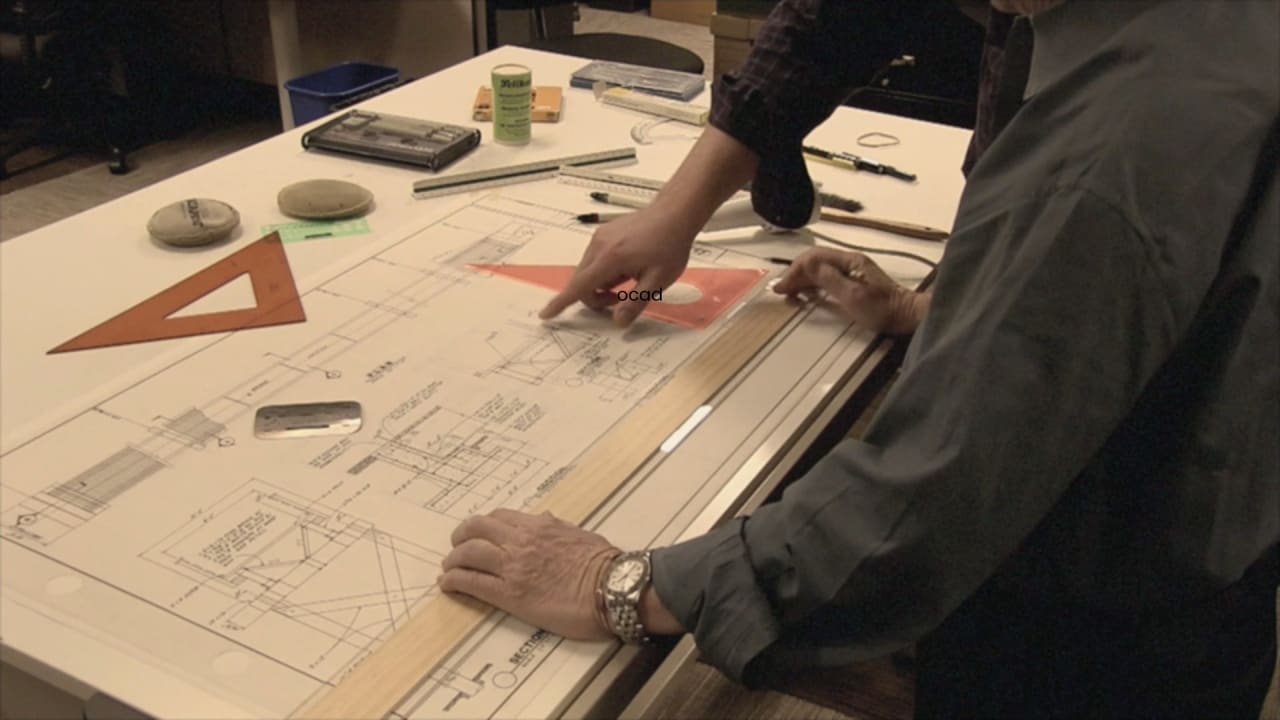
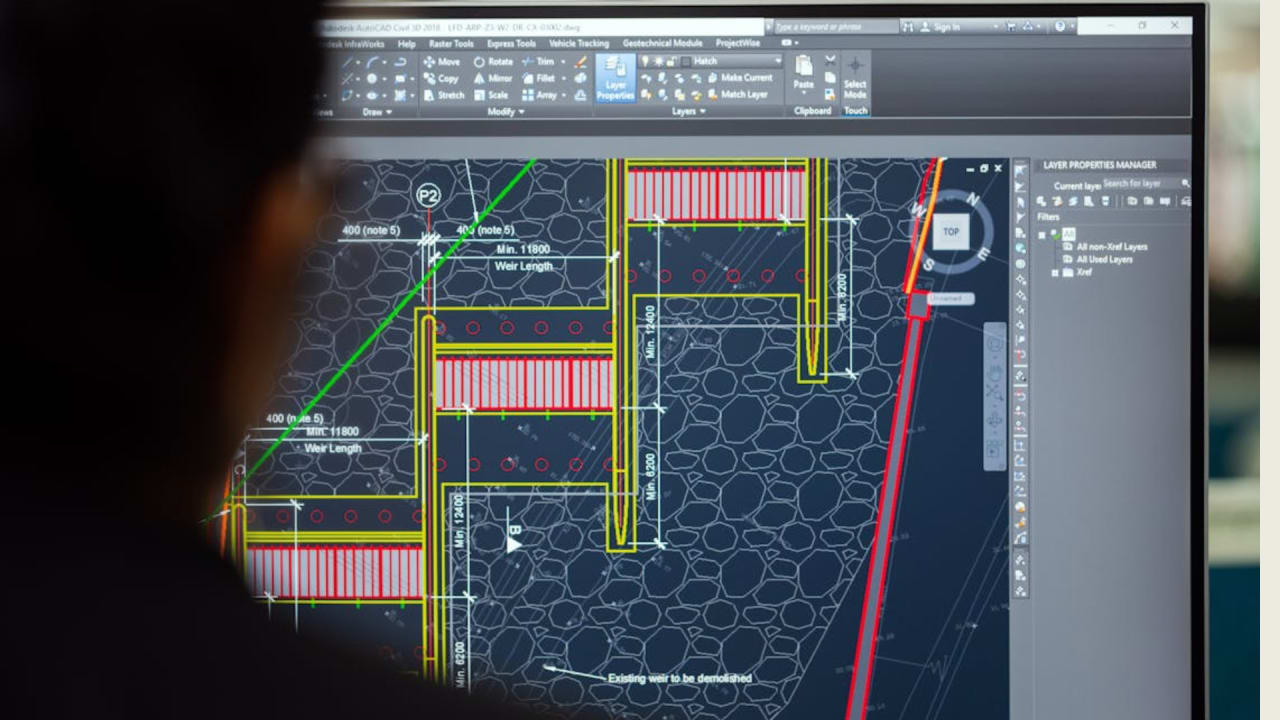
Students learn both manual and digital drafting, construction materials, structural basics, surveying, and industry-standard design software including AutoCAD, Revit, and 3ds Max. Graduates are job-ready from day one and can also pursue higher studies such as B.Arch or BSc Architectural Engineering.
Why DAE Architecture? It is the only post-matric pathway in Pakistan that gives you both a recognised engineering diploma and immediately employable architectural drafting skills — all within three years and at a fraction of the cost of a university degree.
Key Highlights & Programme Overview
DAE Architecture is a structured three-year programme that combines creative design education with practical technical training — making graduates ready for both employment and advanced study.
3 Years / 6 Semesters
Full programme duration with practical and theory components each semester.
After Matric
Entry after Matric with Science — Physics, Chemistry, and Mathematics required.
Career + Higher Study
Work immediately as a draftsman or continue to B.Arch or BSc Architectural Engineering.
| Detail | Information |
|---|---|
| Programme Name | DAE Architecture (Diploma of Associate Engineering) |
| Duration | 3 Years — 6 Semesters |
| Eligibility | Matric with Science (Physics, Chemistry, Mathematics) |
| Minimum Marks | 45–50% in Matriculation |
| Regulating Body | TEVTA / Provincial Technical Boards |
| Programme Type | Technical Diploma — Practical + Theory |
| Next Step | B.Arch, BSc Architectural Engineering, or Employment |
Subjects & Curriculum
The DAE Architecture curriculum is designed to balance creative design with technical precision. The three-year programme progressively builds from manual fundamentals to advanced digital tools and professional practice.
Year 1 — Foundation (Semesters 1 & 2)
Manual Drafting & Drawing Techniques
Lines, projections, plans, sections, and elevations by hand.
Engineering Mathematics
Applied mathematics for structural and survey calculations.
Building Materials & Construction
Brick, concrete, timber, steel — properties and applications.
Applied Physics
Forces, loads, and physical principles in construction.
Year 2 — Technical Skills (Semesters 3 & 4)
AutoCAD 2D & 3D
Industry-standard digital drafting — floor plans, elevations, construction docs.
Mechanics of Structures
Loads, forces, reactions, and basic structural behaviour.
Surveying & Levelling
Site measurement, levelling instruments, and contour mapping.
History of Architecture
World and Pakistani architectural heritage — styles and movements.
Year 3 — Professional Practice (Semesters 5 & 6)
Revit & BIM Fundamentals
Building Information Modelling — the future standard for construction documents.
3ds Max & Photoshop
3D visualisation and post-production rendering for client presentations.
Estimation & Quantity Surveying
Bills of Quantities, cost estimation, and material take-offs.
Environmental & Sustainable Design
Passive design, ventilation, daylighting, and green building principles.
Final Year Project
Independent design project demonstrating all programme competencies.
Start early with AutoCAD: AutoCAD is the most important software in the entire programme. Begin learning it from Day 1 — read our complete AutoCAD beginner guide written specifically for DAE students in Pakistan.
Skills You Learn in DAE Architecture
DAE Architecture graduates develop a combination of technical, digital, and professional skills that make them immediately employable in architecture, construction, and design industries across Pakistan.
Manual & Digital Drafting
Produce precise technical drawings by hand and in AutoCAD — the fundamental skill every architectural employer tests for.
3D Modelling & Visualisation
Build 3D architectural models using Revit, 3ds Max, and SketchUp — produce client-ready renders and walkthroughs.
Construction Materials Knowledge
Understand the properties, applications, and specifications of concrete, masonry, steel, timber, and finishing materials.
Estimation & Quantity Surveying
Prepare Bills of Quantities, cost estimates, and material take-offs — essential for working in construction project teams.
Sustainable Design Principles
Apply passive design strategies, ventilation planning, daylighting, and green building basics to architectural projects.
Site Coordination
Communicate effectively with contractors, engineers, clients, and site workers — essential for supervisory roles.
Top Institutes for DAE Architecture in Pakistan
DAE Architecture programmes are offered at government and private polytechnic institutes regulated by TEVTA and provincial technical boards across all four provinces.
Government College of Technology, Lahore
Top Rated
Government College of Technology, Faisalabad
Public
Swedish Institute of Technology, Karachi
Karachi
Imperial College of Technology, Lahore
Private
Pak Polytechnic Institute, Rawalpindi
Public
Cadet College of Technology, Quetta
Public
Choosing an institute: Government colleges (TEVTA) are generally more affordable with strong practical labs. Visit the institute before admitting — check the quality of CAD labs, drawing studios, and teaching staff in person.
Admission Requirements for DAE Architecture 2025
Admission to DAE Architecture is straightforward for matric students with science subjects. Follow these steps to apply at government or private polytechnic institutes across Pakistan.
Complete Matriculation with Science
You must have Matric (SSC) with Physics, Chemistry, and Mathematics. Arts or computer science streams are not accepted.
Achieve Minimum Marks
Most TEVTA institutes require 45–50% marks in matriculation. Some private institutes may set higher thresholds.
Collect the Prospectus
Visit your chosen institute in August–September (or check their official website) for the current admission prospectus and dates.
Submit Application with Documents
Submit: Matric certificate + marks sheet, CNIC/B-Form, domicile certificate, passport photos, and application form.
Merit List or Entry Test
Most TEVTA institutes are merit-based. Some private colleges hold a short entry test or drawing aptitude interview.
Scope & Career Opportunities After DAE Architecture
DAE Architecture graduates are among the most versatile technical professionals in Pakistan's construction industry. The diploma opens doors across six distinct career paths — from private design studios to government urban authorities and international freelancing.
Architectural Firms
Work as a draftsman or junior designer producing floor plans, elevations, and construction documents for private practices.
Construction Companies
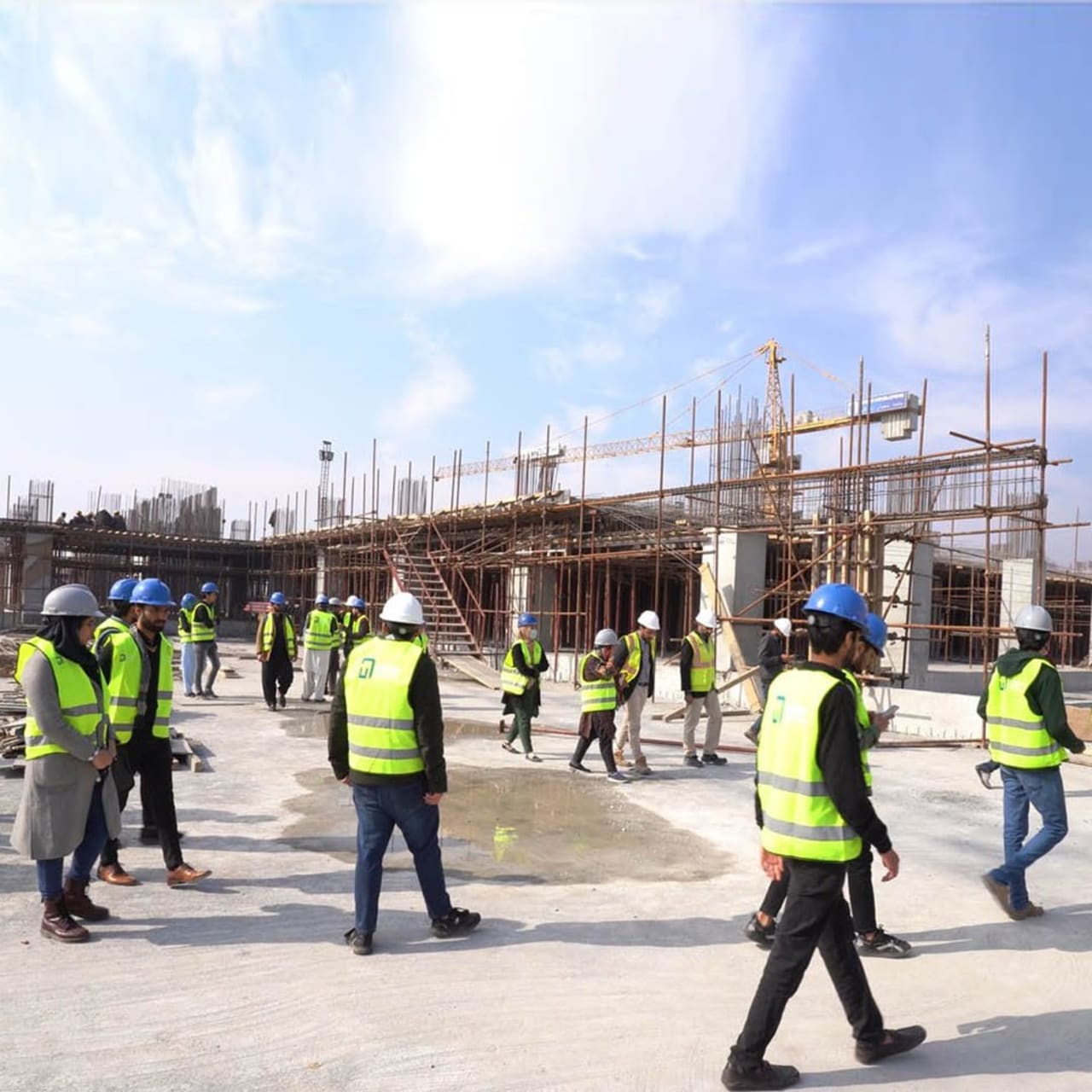
Work as a site supervisor or assistant engineer coordinating contractors and ensuring drawings are implemented correctly.
Government Departments
Join urban development authorities (CDA, LDA, KDA), public works departments, and housing boards for stable government roles.
Interior Design Studios
Work as a CAD operator or 3D visualizer for residential and commercial interior design firms across Pakistan.
Freelance — Upwork / Fiverr
Offer 2D drafting, 3D modelling, and rendering services to international clients — earning in USD from Pakistan.
Higher Education
Continue to B.Arch (PCATP-licensed Architect) or BSc Architectural Engineering (PEC-licensed Engineer) after DAE.
Career & Salary Outlook for DAE Architecture Graduates
Approximate monthly salary ranges (PKR) based on industry averages in Pakistan. Actual salaries vary by city, employer, and experience. Lahore, Karachi, and Islamabad offer the highest packages.
Monthly salary ranges (PKR) — Pakistan 2025
Fresh Graduate (Draftsman)PKR 35,000
Junior Architectural TechnicianPKR 55,000
Mid-Level CAD / BIM SpecialistPKR 85,000
Site Supervisor / Senior TechnicianPKR 110,000
Freelance / 3D VisualizerPKR 150,000
Freelance figures represent PKR equivalent of USD-billed international projects. Experience, software skills, and portfolio quality directly impact earning potential.
Increase your salary faster: DAE graduates who add strong AutoCAD, Revit, and 3D rendering skills to their CV consistently earn 40–60% more than peers with only manual drafting skills. Invest time in learning AutoCAD from your very first semester.
DAE Architecture vs Other Career Paths
After matric, students often compare DAE Architecture against FSc Pre-Engineering or going directly to B.Arch. Here is a clear breakdown of what each path offers.
Recommended
DAE Architecture
Duration: 3 Years
Entry: After Matric
Focus: Practical technical skills + design
Outcome: Job-ready + pathway to B.Arch
Cost: Low (government colleges)
Best for: Students who want to work quickly and build skills fast
Academic Route
FSc Pre-Engineering
Duration: 2 Years
Entry: After Matric
Focus: Academic — Physics, Maths, Chemistry
Outcome: Entry to B.Arch or engineering university
Cost: Low
Best for: Students targeting B.Arch directly via university entry test
Professional Degree
B.Arch Degree
Duration: 5 Years
Entry: After FSc / DAE
Focus: Professional architecture design
Outcome: Licensed Architect (PCATP)
Cost: High (university fees)
Best for: Students aiming to become licensed architects
Bottom line: DAE Architecture is the best choice if you want to start earning quickly, build strong practical skills, and keep higher education as an option. For a detailed comparison of what comes after DAE, read our B.Arch vs BSc Architectural Engineering guide.
Future of Architecture in Pakistan
Pakistan's construction and urban development sectors are growing rapidly. DAE Architecture graduates entering the industry now will be well-positioned to benefit from these five major trends shaping the next decade.
Urban Growth & Housing Demand
Pakistan faces a housing shortfall of over 10 million units. Government housing programmes, private housing societies, and apartment developments are creating sustained demand for architectural technicians across all major cities.
BIM & Digital Construction
Building Information Modelling (BIM) is becoming mandatory for government infrastructure projects. DAE graduates who add Revit and BIM skills to their AutoCAD foundation will be significantly more valuable.
CPEC & Infrastructure
CPEC-linked road, port, industrial zone, and special economic zone projects require large numbers of site supervisors, draftsmen, and construction technicians — roles DAE Architecture graduates are qualified to fill.
Sustainable & Green Design
Climate change is pushing clients and developers toward sustainable buildings. DAE graduates with knowledge of passive design, ventilation, and energy efficiency will be in greater demand as green building standards expand.
Remote Freelancing (USD Income)
Pakistani architects and draftsmen are increasingly working for international clients via Upwork and Fiverr — earning in USD for 2D drafting, 3D modelling, and BIM documentation services.
Frequently Asked Questions (FAQs)
- Is DAE Architecture worth it in Pakistan?
- Yes, it offers early career entry and practical technical skills for architecture-related jobs.
- Can I do B.Arch after DAE?
- Yes, most universities accept DAE graduates through entry tests or equivalency exams.
- What is the salary after DAE Architecture?
- Initial salaries range from PKR 35,000—60,000, with potential to exceed PKR 100,000 as experience grows.
- Is DAE better than FSc?
- DAE is practical and skill-focused; FSc is academic. Choice depends on career goals.
- Which softwares will I learn in DAE Architecture?
- In DAE architecture, you will learn AutoCAD, Revit, 3ds Max, Photoshop, and other CAD/BIM tools.
- How long is DAE?
- DAE is a three year program.
Conclusion — Build Your Architecture Career From Here
DAE Architecture is one of the best post-matric decisions a science student in Pakistan can make in 2025. It provides practical, immediately employable skills, a recognised engineering diploma, and a clear pathway to professional architecture through B.Arch or BSc Architectural Engineering.
The construction and design industry in Pakistan is growing consistently — and trained architectural technicians with strong AutoCAD, Revit, and 3D visualisation skills are in genuine demand across the country and in Gulf markets.
Start with the right institute, master your software from Day 1, build a strong project portfolio, and your architecture career will be ready before your diploma is even complete.
Your next steps: Start learning AutoCAD immediately. Once you are ready for higher study, compare your options in our B.Arch vs BSc Architectural Engineering guide and explore the full architecture career guide for Pakistan.
Explore more architecture and engineering resources in our articles section.
Written by
Ms. Zoya Khaliq
Ms. Zoya Khaliq offers over 8 years of experience teaching architectural design, environmental planning, and building sciences, helping students transform ideas into tangible structures. Her teaching combines practical insights with a focus on sustainability.